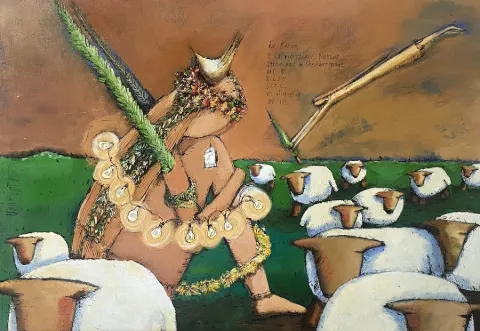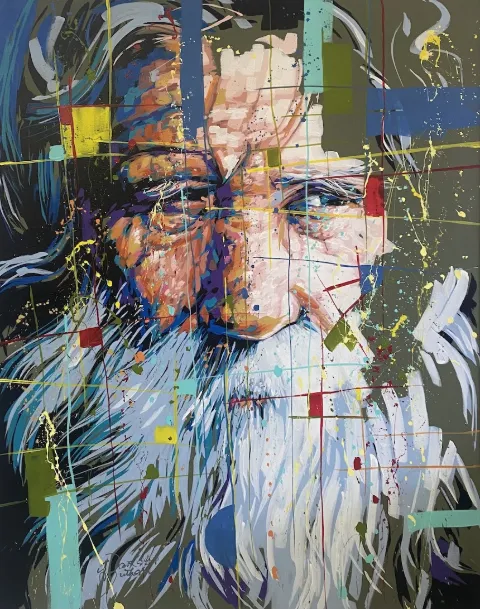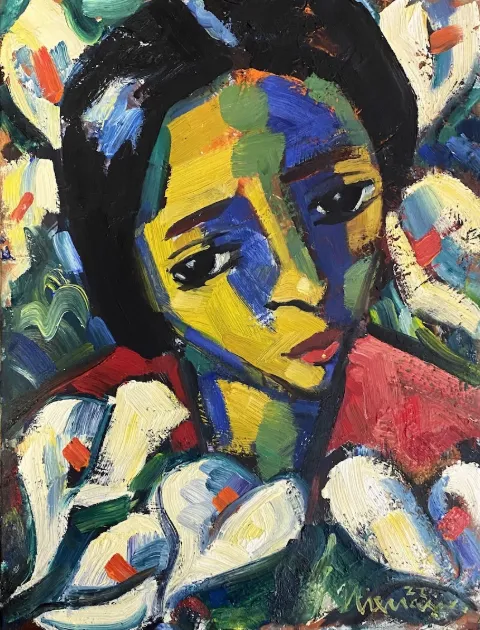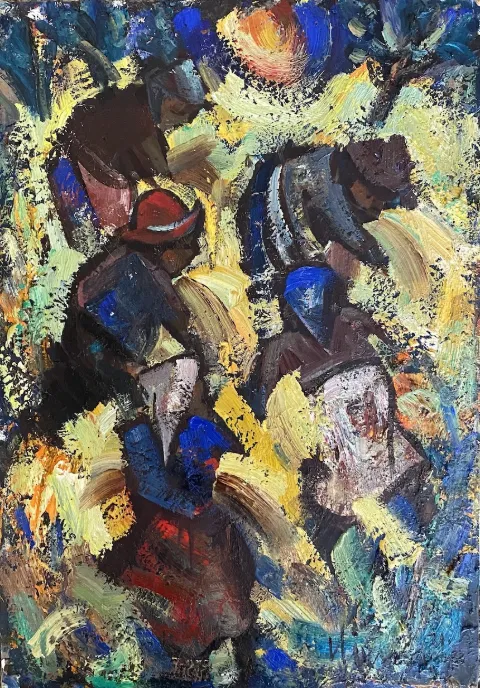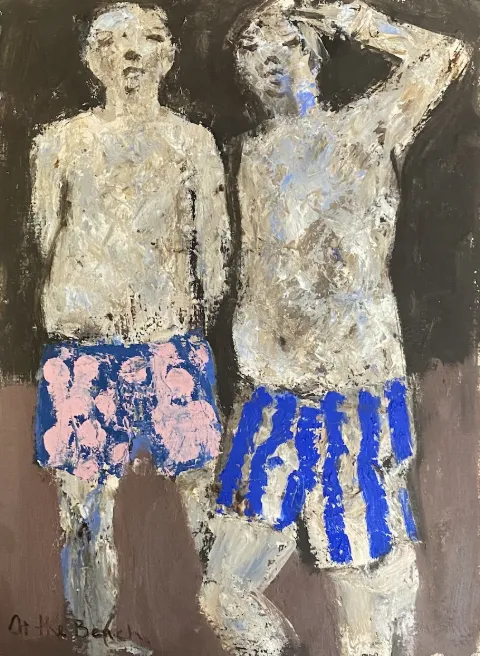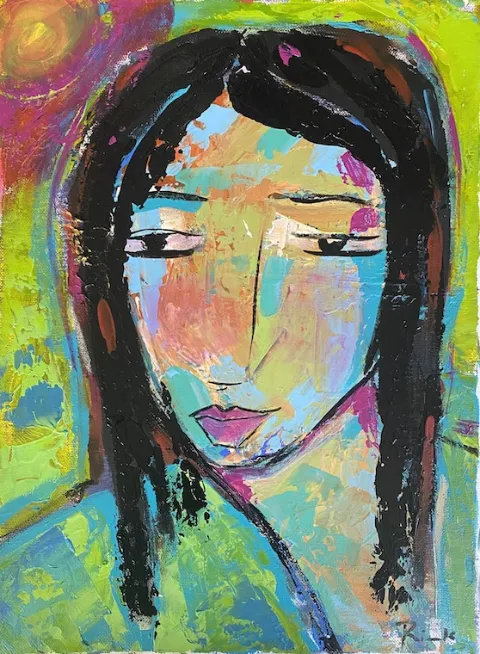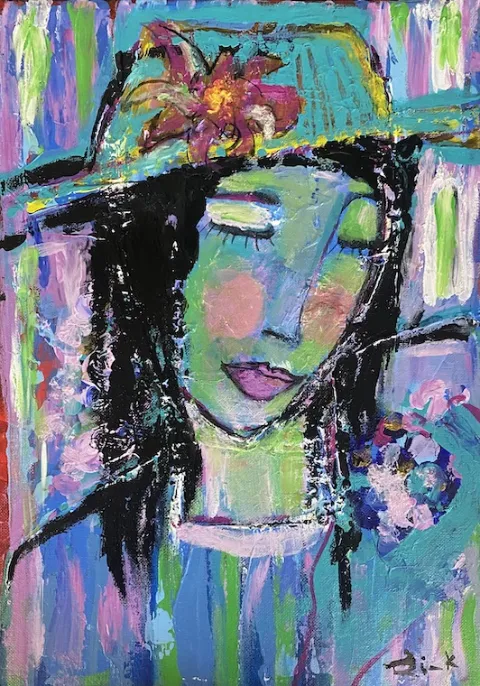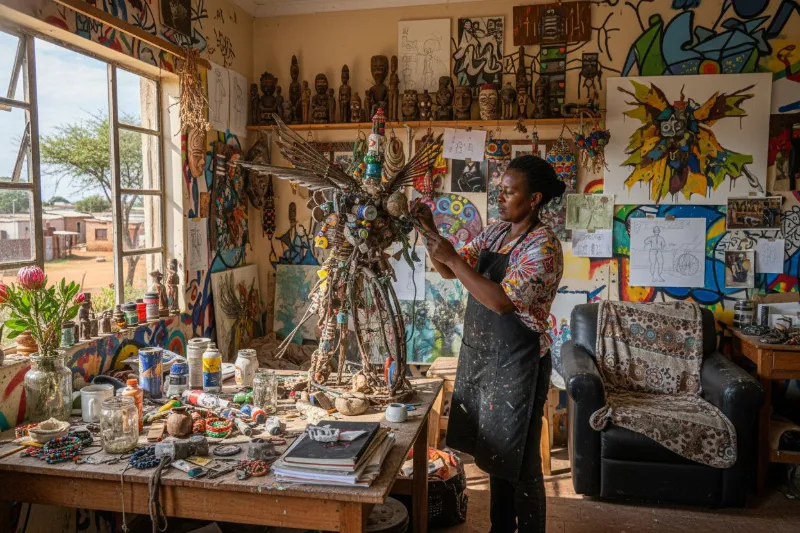

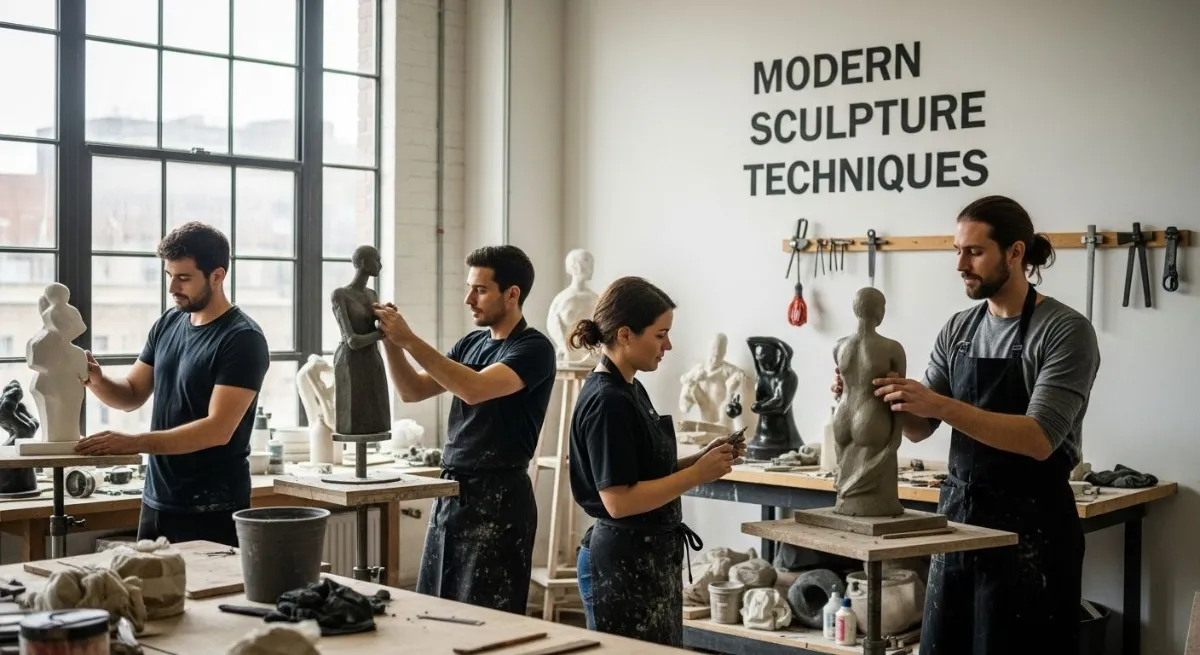
Modern sculpture shakes up everything we thought art should be. More than 75 percent of top contemporary sculptures now use materials like steel, resin, or found objects instead of stone or marble. That sounds wild for an art form once obsessed with perfect human figures. But the biggest surprise is not the new look or the strange materials. It is how sculptors today use these forms to tell bold stories, challenge what we see, and dig deep into the emotions and ideas behind each piece.
Table of Contents
- Defining Modern Sculpture: Key Characteristics And Styles
- Breaking Traditional Boundaries
- Material Innovation And Conceptual Exploration
- The Importance Of Modern Sculpture Techniques In Contemporary Art
- Expanding Artistic Communication
- Material Innovation And Conceptual Depth
- Materials And Tools: How They Influence Sculpture Creation
- The Language Of Materials
- Technological Innovation And Material Exploration
- Innovative Techniques: Blending Tradition With Technology
- Preserving Cultural Heritage Through Technological Innovation
- Digital Transformation Of Sculptural Practices
- Exploring Themes And Messages In Modern Sculpture
- Narrative Through Form And Material
- Social Commentary And Artistic Expression
Quick Summary
Takeaway Explanation
Modern sculpture prioritizes abstract forms It focuses on emotion and conceptual interpretations over realistic representations, allowing for deeper expressions of human experience.
Innovative materials redefine sculptural practice Artists use unconventional materials and advanced technologies, which expand creative possibilities and challenge traditional aesthetic norms.
Sculpture as a medium for social commentary Modern sculptors use their work to explore and critique societal issues, creating dialogues on identity and cultural narratives.
Material selection impacts artistic communication The choice of materials adds symbolic meaning, influencing how the audience interprets the artwork’s message and emotional resonance.
Technology enhances traditional sculpting techniques Digital tools allow artists to blend historical methods with innovation, preserving heritage while pushing creative boundaries.
Defining Modern Sculpture: Key Characteristics and Styles
Modern sculpture represents a radical transformation in artistic expression, breaking away from traditional representational techniques and exploring new forms of visual communication. Unlike classical sculpture that emphasized realistic human figures and precise anatomical details, modern sculpture challenges conventional aesthetic boundaries by prioritizing emotional expression, abstraction, and conceptual interpretation.
Breaking Traditional Boundaries
Modern sculptural techniques emerged in the late 19th and early 20th centuries as artists began rejecting strict representational norms. Pioneers like Auguste Rodin pioneered approaches that emphasized emotional texture over perfect anatomical precision. These artists understood sculpture as more than mere physical representation but as a medium for exploring complex human experiences and psychological states.
Key characteristics of modern sculpture include:
- Emphasis on abstract forms and conceptual representations
- Exploration of unconventional materials like industrial metals, found objects, and synthetic substances
- Focus on expressing internal emotional landscapes rather than external realities
Material Innovation and Conceptual Exploration
According to research from Iziko Museums of South Africa, modern sculptors fundamentally reimagined their artistic practice by experimenting with diverse materials and challenging traditional sculpting techniques. Sculptors began incorporating industrial materials like steel, aluminum, and synthetic resins, transforming sculpture from a purely aesthetic medium into a commentary on technological advancement and social change.
This innovative approach to contemporary African sculpture techniques allowed artists to communicate complex narratives about identity, cultural transformation, and personal experiences through their three-dimensional creations. Modern sculptors viewed their work not just as static objects but as dynamic representations of human complexity and societal evolution.
The transition from classical to modern sculpture represents more than a stylistic shift it signifies a profound philosophical reimagining of artistic expression, where form, emotion, and conceptual depth intertwine to create powerful visual narratives that challenge viewers’ perceptions and invite deeper contemplation.
Below is a table comparing traditional and modern sculpture characteristics, helping clarify their key differences mentioned throughout the article.
Aspect Traditional Sculpture Modern Sculpture
Primary Focus Realistic representation of human figures Emotion, abstraction, and conceptual expression
Materials Used Stone, marble, bronze Steel, resin, found objects, synthetic substances
Technique Emphasis Precise anatomical detail Texture, form, and conceptual exploration
Artistic Approach Aesthetic perfection Communication of complex narratives
Role of Material Technical foundation Symbolic and emotional resonance
The Importance of Modern Sculpture Techniques in Contemporary Art
Modern sculpture techniques represent a profound transformation in artistic expression, offering artists unprecedented freedom to communicate complex ideas and emotions through three-dimensional forms. These innovative approaches transcend traditional aesthetic constraints, enabling creators to challenge societal perceptions and explore deeper psychological and cultural narratives.
Expanding Artistic Communication
Contemporary sculptors utilize techniques that transform raw materials into powerful vehicles of communication. By moving beyond literal representation, artists can encode multilayered meanings into their work, creating pieces that provoke intellectual and emotional responses. Modern sculpture techniques allow for nuanced exploration of themes like identity, social dynamics, and personal experiences through strategic material manipulation and conceptual design.
Key aspects of modern sculpture’s communicative power include:
- Breaking conventional aesthetic boundaries
- Utilizing unconventional materials as narrative tools
- Transforming abstract concepts into tangible visual experiences
Material Innovation and Conceptual Depth
According to research from the University of Pretoria, contemporary sculptors view material engagement as a critical aspect of artistic expression. The direct interaction between artist and medium becomes a metaphorical dialogue, where each material’s inherent properties contribute to the artwork’s conceptual framework. This approach transforms sculpture from a static object into a dynamic narrative platform.
By integrating innovative bronze sculpting techniques, artists can explore complex cultural narratives and personal experiences. These techniques enable sculptors to push technological and creative boundaries, creating works that challenge viewers’ perceptions and invite deeper contemplation of social and personal dynamics.
Modern sculpture techniques ultimately represent more than artistic methodology they are powerful tools for cultural dialogue, personal expression, and societal reflection. Through strategic material selection, conceptual depth, and innovative approaches, contemporary sculptors continue to redefine the boundaries of artistic communication.
Materials and Tools: How They Influence Sculpture Creation
Materials and tools represent the fundamental foundation of sculptural expression, serving as the critical interface between an artist’s conceptual vision and its physical manifestation. Modern sculptors understand that material selection transcends mere technical consideration, becoming a profound language of artistic communication and emotional exploration.
The Language of Materials
Every material possesses unique characteristics that significantly influence artistic narrative and visual communication. Sculptors carefully select materials not just for their physical properties but for their inherent symbolic and emotional resonance. Wood might communicate warmth and organic complexity, while metal can represent industrial strength and technological precision.
Key considerations in material selection include:
- Emotional and symbolic potential of different materials
- Structural integrity and manipulation possibilities
- Cultural and historical associations embedded in specific materials
Technological Innovation and Material Exploration
According to research from the Durban Institute of Technology, contemporary sculptors are increasingly exploring unconventional materials and advanced technological techniques. This approach transforms traditional sculpting practices, enabling artists to push creative boundaries and develop innovative ways of expressing complex ideas.
Modern sculptors now incorporate diverse materials ranging from industrial metals to synthetic polymers, allowing for unprecedented creative flexibility. Artists are discovering unique material combinations that challenge conventional aesthetic expectations and expand the potential of three-dimensional artistic expression.
The relationship between an artist and their chosen materials represents a dynamic dialogue where technical skill, creative vision, and material properties intersect.
This table outlines how different materials influence modern sculpture, as described in the discussion on material selection and narrative impact.
Material Symbolic/Emotional Potential Common Usage or Implication
Steel Industrial strength, progress Technological themes
Resin Malleability, versatility Innovation, abstraction
Found objects Contextual history, narrative Social commentary, transformation
Wood Warmth, organic complexity Nature, tradition
Metal (general) Precision, durability Industrialisation, permanence
Tools become extensions of artistic intention, transforming raw substances into powerful vehicles of cultural and personal narrative, ultimately redefining the boundaries of sculptural creation.
Innovative Techniques: Blending Tradition with Technology
The intersection of traditional sculptural practices and cutting-edge technology represents a revolutionary frontier in contemporary art. Modern sculptors are reimagining artistic creation by seamlessly integrating centuries-old craftsmanship with digital innovations, creating a dynamic dialogue between historical techniques and futuristic approaches.
Preserving Cultural Heritage through Technological Innovation
Contemporary sculptors recognize technology not as a replacement for traditional methods, but as a powerful complementary tool that can enhance and expand artistic expression. By leveraging digital technologies, artists can preserve intricate cultural techniques while simultaneously pushing the boundaries of creative possibilities. This approach allows for a nuanced exploration of artistic heritage that respects traditional skills while embrace contemporary methodologies.
Key aspects of blending tradition with technology include:
- Digitally documenting and preserving traditional sculpting techniques
- Using advanced technologies to reimagine historical artistic practices
- Creating hybrid artistic approaches that honor cultural roots
Digital Transformation of Sculptural Practices
According to research from Wits University, digital technologies are transforming how artists conceptualize and create sculptural works. Three-dimensional scanning, computer-aided design, and advanced modeling software enable sculptors to experiment with complex forms that would be challenging or impossible through traditional methods.
Modern sculptors are increasingly exploring innovative digital sculpting tools that allow for unprecedented precision and creative freedom. These technologies enable artists to manipulate digital representations, prototype designs, and even create sculptures using 3D printing techniques that blend computational accuracy with artistic vision.
The convergence of traditional craftsmanship and technological innovation represents more than a mere technical evolution it is a profound reimagining of artistic creation. By bridging historical techniques with contemporary tools, sculptors are expanding the boundaries of artistic expression and creating entirely new paradigms of creative communication.
Exploring Themes and Messages in Modern Sculpture
Modern sculpture transcends aesthetic representation, emerging as a powerful medium for communicating complex social, political, and personal narratives. Artists leverage sculptural techniques not merely as visual expressions but as profound vehicles for exploring fundamental human experiences, challenging societal norms, and creating transformative dialogues.
Narrative through Form and Material
Contemporary sculptors understand that every artistic choice carries symbolic potential. Materials, textures, and structural compositions become languages through which artists articulate nuanced messages about identity, cultural heritage, social dynamics, and personal transformation. A sculpture’s physical presence becomes a narrative platform, inviting viewers to engage with deeper layers of meaning beyond surface aesthetics.
Key thematic exploration strategies include:
- Utilizing material symbolism to communicate cultural experiences
- Representing marginalized perspectives through artistic representation
- Creating visual metaphors that challenge existing social narratives
Social Commentary and Artistic Expression
According to research from the University of Cape Town, modern South African sculptors have consistently used their work as instruments of social commentary. By translating complex historical experiences and contemporary challenges into three-dimensional forms, artists create powerful platforms for dialogue and reflection.
Exploring the evolution of African sculptural narratives reveals how artists transform personal and collective memories into compelling visual statements. Sculptors strategically employ techniques that invite viewers to confront uncomfortable truths, challenge established perspectives, and reimagine social possibilities through artistic interpretation.
Modern sculpture represents more than aesthetic objects they are dynamic cultural artifacts that capture the complexity of human experience. By translating abstract emotions, social tensions, and personal narratives into tangible forms, sculptors create profound bridges between individual perspectives and collective understanding.
Discover Modern Sculpture That Speaks to You
Exploring the countless techniques and breakthroughs discussed in our guide, you might find yourself craving more than just theory. Many art lovers struggle to truly experience the powerful emotional expression and innovative material use found in modern sculpture. You deserve to see how themes of identity and personal narrative come alive beyond the page—right in your own space.
Why wait to be inspired? Browse authentic works created by South Africa’s leading artists who embody these modern techniques and philosophies. Visit Art Online now to find original sculptures that channel abstraction, material innovation and cultural storytelling. Let your collection reflect the passion and depth explored throughout our comprehensive guide on modern sculpture techniques. Experience the transformation for yourself—start your journey with a piece that tells your story today.
Frequently Asked Questions
What are the key characteristics of modern sculpture?
Modern sculpture is characterized by an emphasis on abstract forms, the use of unconventional materials, and a focus on expressing internal emotional landscapes rather than realistic representations.
How have materials influenced modern sculpture techniques?
Materials play a crucial role in modern sculpture as they determine the emotional and symbolic resonance of a piece. Sculptors explore various materials, including industrial metals and synthetic substances, to convey complex narratives and ideas.
What techniques do contemporary sculptors use to blend tradition with technology?
Contemporary sculptors integrate traditional techniques with modern technology by using digital tools such as 3D modeling and printing, enabling them to preserve cultural heritage while exploring innovative artistic expressions.
How do modern sculptures serve as a medium for social commentary?
Modern sculptures communicate complex social, political, and personal narratives by using form and material to challenge societal norms and provoke dialogue. Artists often employ symbolic elements to address cultural experiences and perspectives.