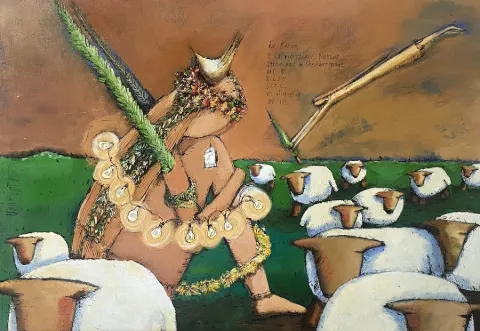

African sculpture has shaped creative expression for thousands of years, connecting ancient tradition with modern artistry in a way that few art forms manage. You might think these sculptures are just décor or relics from the past. Yet the Nok culture was producing sophisticated terracotta figures over 2000 years ago, hundreds of years before the Roman Empire reached its peak. The real surprise is how these age-old artworks still influence global art and design trends today, turning every piece into a living conversation between history and the present.
Table of Contents
- Origins and Evolution of African Sculpture
- Ancient Foundations of African Sculptural Traditions
- Spiritual and Social Significance of Sculptural Art
- Evolutionary Trajectory of African Sculptural Practices
- Influential Styles and Iconic Artists
- Regional Sculptural Styles and Aesthetic Diversity
- Iconic Artists and Their Transformative Contributions
- Global Influence and Artistic Recognition
- African Sculpture in Modern South African Interiors
- Contemporary Artistic Expressions
- Design Integration and Aesthetic Strategies
- Collecting and Preserving Cultural Narratives
- Collecting and Caring for African Sculpture Today
- Authentication and Provenance
- Preservation and Conservation Techniques
- Investment and Cultural Appreciation
Quick Summary
Takeaway Explanation
African sculpture has deep cultural roots. It reflects thousands of years of tradition and complex narratives within diverse African societies.
Authenticity is crucial for collectors. Knowledge of materials, techniques, and provenance is essential to differentiate genuine sculptures from reproductions.
Integrate sculptures thoughtfully in modern interiors. Combining traditional pieces with contemporary design creates a dialogue that enriches living spaces and cultural appreciation.
Sculptures serve as powerful storytelling mediums. They encode community histories, spiritual beliefs, and social structures that resonate with viewers and collectors alike.
Preservation techniques are vital for longevity. Understanding material-specific care and maintenance helps keep sculptures in optimal condition for future generations.
Origins and Evolution of African Sculpture
African sculpture represents a profound artistic tradition that spans thousands of years, reflecting the complex cultural narratives and spiritual expressions of diverse African societies. Understanding the history of african sculpture requires exploring its deep roots and transformative journey through different historical periods.
Ancient Foundations of African Sculptural Traditions
The origins of African sculpture can be traced back to prehistoric times, with archaeological evidence revealing extraordinary artistic sophistication. According to the Metropolitan Museum of Art’s research on African sculptural origins, early African sculptors developed intricate techniques that went beyond mere representation, embedding complex cultural meanings into their works.
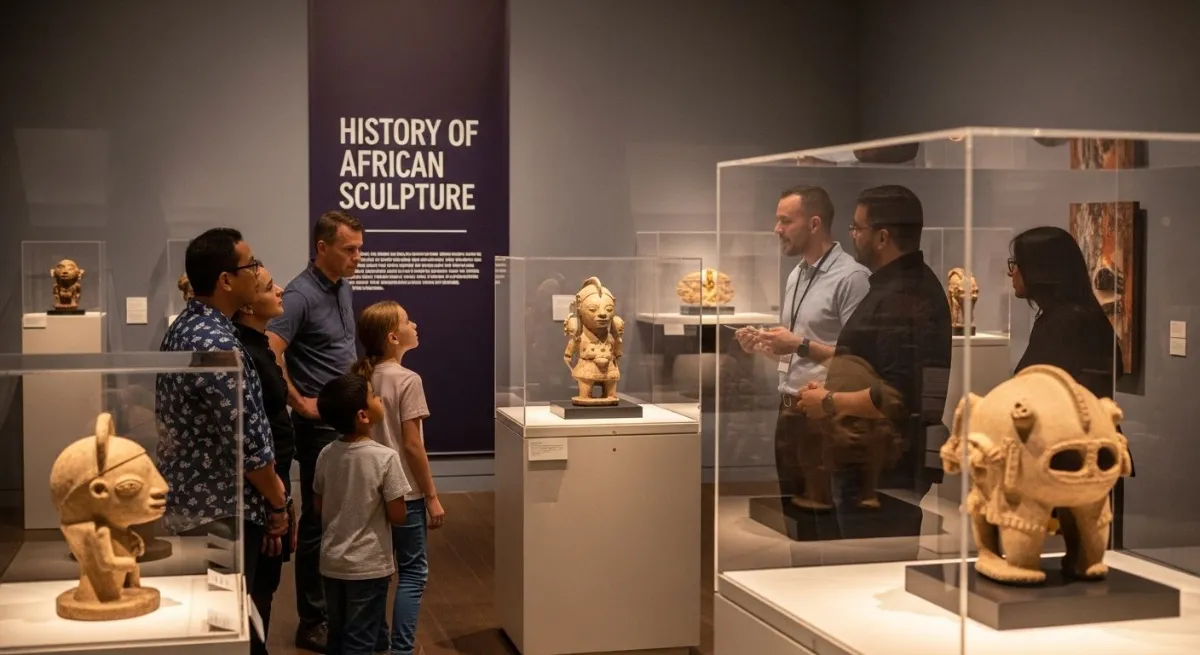
The Nok culture emerged as a pivotal civilization in West African sculptural history. Archaeological studies from Yale University highlight the remarkable terracotta sculptures created between 500 B.C. and 200 A.D., characterized by stylized human figures with elaborate head-dresses. These artifacts demonstrate an advanced artistic sensibility, revealing that African sculptural traditions were sophisticated and nuanced long before external cultural influences.
Spiritual and Social Significance of Sculptural Art
African sculptures were never merely decorative objects but profound cultural artifacts carrying deep spiritual and social significance. Each sculpture represented more than aesthetic beauty — they were conduits of communication, embodying ancestral wisdom, religious beliefs, and community narratives. Sculptures often served ritualistic purposes, functioning as intermediaries between human communities and spiritual realms.
Tribal societies used sculptures as powerful symbolic representations, encoding complex social hierarchies, religious practices, and cultural memories. Masks, figurines, and ceremonial objects were not just artistic expressions but integral components of social and spiritual life. Read more about the cultural context of African tribal art in our comprehensive guide.
Evolutionary Trajectory of African Sculptural Practices
The evolution of African sculpture reflects the dynamic interactions between traditional practices and external influences. From indigenous African civilizations to periods of colonial interaction and postcolonial renaissance, sculptural practices continuously transformed while maintaining core cultural essence. Different regions developed distinctive styles, techniques, and symbolic languages, creating a rich and diverse sculptural landscape.
Western art movements increasingly recognized and celebrated African sculptural traditions during the early 20th century, particularly through movements like Cubism, which drew significant inspiration from African artistic approaches. This cross-cultural dialogue highlighted the profound artistic innovation inherent in African sculptural traditions, challenging prevailing Eurocentric artistic narratives.
Collectors and art enthusiasts today appreciate African sculpture not just as aesthetic objects but as powerful cultural artifacts that encapsulate centuries of human creativity, spiritual wisdom, and social complexity. The journey of African sculpture represents a testament to the continent’s rich artistic heritage and its enduring global cultural significance.
Influential Styles and Iconic Artists
African sculpture encompasses a remarkable diversity of artistic styles, reflecting the continent’s rich cultural tapestry and the unique creative expressions of different regions and ethnic groups. Each sculptural tradition carries its own distinctive aesthetic, symbolic language, and profound cultural significance.
Regional Sculptural Styles and Aesthetic Diversity
According to research from the Metropolitan Museum of Art, African sculptural styles demonstrate extraordinary variation across different geographical regions. The Yoruba sculptors from Nigeria, for instance, are renowned for their remarkably realistic representations, creating intricate wooden and terracotta sculptures that capture human form with extraordinary precision.
Research from Fiveable’s educational resources highlights the distinct characteristics of regional sculptural traditions. The Luba sculptures from the Democratic Republic of the Congo, by contrast, often feature more abstract and stylized forms, emphasizing symbolic representation over literal depiction. These variations reveal the profound artistic complexity within African sculptural practices.
Here is a table comparing features of notable African regional sculptural styles as highlighted in the article:
Region/Ethnic Group Notable Material(s) Artistic Features Symbolic Focus
Yoruba (Nigeria) Wood, Terracotta Realistic, detailed human forms Ancestors, community leaders
Luba (Democratic Republic of Congo) Wood Stylized, abstract forms Symbolic/spiritual concepts
Nok (Nigeria) Terracotta Stylized human figures, elaborate headwear Social & ancestral narratives
Iconic Artists and Their Transformative Contributions
Some artists have emerged as pivotal figures in shaping African sculptural traditions. The story of Olowe of Ise, a remarkable Yoruba wood sculptor from the early 20th century, exemplifies the innovative spirit of African artists. Olowe’s intricate architectural sculptures and wooden panels are celebrated for their technical mastery and profound cultural storytelling.
The artistic innovations of these sculptors transcended mere aesthetic production. They were cultural storytellers, preserving community histories, spiritual beliefs, and social structures through their extraordinary works. Each sculpture became a complex narrative medium, encoding generations of wisdom and cultural memory.
Global Influence and Artistic Recognition
African sculptural traditions profoundly influenced global art movements, particularly during the early 20th century. European modernist artists like Pablo Picasso and Henri Matisse drew significant inspiration from African sculptural aesthetics, integrating these innovative approaches into their revolutionary artistic styles. This cross-cultural dialogue challenged existing artistic paradigms and expanded the understanding of artistic expression.
Learn more about groundbreaking African artists in our comprehensive artist guide. Contemporary collectors and art enthusiasts now recognize African sculpture not just as historical artifacts but as dynamic, living artistic traditions that continue to evolve and inspire.
The narrative of African sculpture is a testament to human creativity, cultural resilience, and the power of artistic expression to communicate complex ideas across generations and geographical boundaries. Each sculpture represents a unique intersection of artistic skill, cultural knowledge, and spiritual significance, inviting viewers to explore the rich tapestry of African artistic heritage.
African Sculpture in Modern South African Interiors
Modern South African interior design has increasingly embraced African sculpture as a powerful aesthetic and cultural statement, transforming living spaces into narratives of artistic heritage and contemporary creativity. This integration represents more than mere decoration — it is a profound dialogue between traditional craftsmanship and contemporary design sensibilities.
Contemporary Artistic Expressions
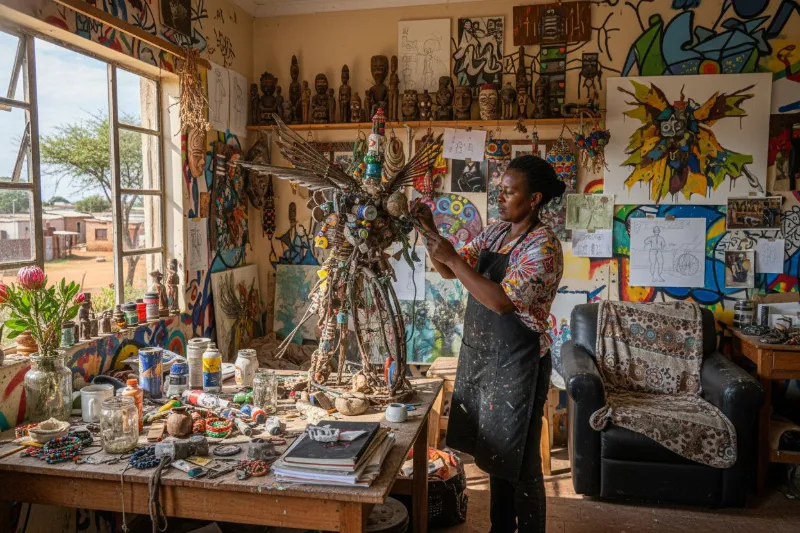
According to the Iziko Museums’ Contemporary Collection, South African artists are redefining sculptural traditions by creating pieces that bridge historical techniques with modern aesthetic principles. Artists like Mary Sibande and Noria Mabasa have been instrumental in showcasing how African sculpture can serve as a dynamic medium of cultural expression in contemporary spaces.
Architectural Digest highlights innovative artists like Atang Tshikare, who masterfully integrates South African folklore into functional sculptural furniture. These pieces are not just decorative objects but storytelling platforms that connect interior spaces with rich cultural narratives, transforming homes into living museums of artistic heritage.
Design Integration and Aesthetic Strategies
Modern interior designers are strategically incorporating African sculptures as focal points that communicate cultural depth and artistic sophistication. Sculptural pieces are carefully positioned to create visual narratives, using traditional artifacts to complement contemporary architectural designs. This approach allows collectors and homeowners to curate spaces that reflect both aesthetic refinement and cultural authenticity.
The placement of African sculptures in modern interiors goes beyond traditional display methods. Designers experiment with lighting, spatial arrangement, and contextual juxtaposition to highlight the sculptural details and cultural significance. Learn more about integrating tribal art into modern decor with our comprehensive guide.
Collecting and Preserving Cultural Narratives
The Metropolitan Museum of Art’s research demonstrates how African sculptures have transcended their original contexts to become global artistic treasures. For contemporary South African collectors, acquiring these pieces represents an investment in cultural preservation and artistic appreciation. Each sculpture becomes a conversation piece that narrates complex histories of creativity, resistance, and cultural evolution.
Collectors are increasingly seeking pieces that not only demonstrate artistic excellence but also tell compelling stories. The value of African sculpture in modern interiors extends beyond aesthetic appeal — it represents a commitment to celebrating indigenous artistic traditions and supporting contemporary African artists.
The integration of African sculpture in modern South African interiors represents a dynamic cultural dialogue. These artistic pieces transform living spaces into repositories of collective memory, allowing residents and visitors to experience the profound creativity and resilience embodied in African artistic traditions. By carefully selecting and displaying these sculptures, homeowners and collectors contribute to an ongoing narrative of cultural appreciation and artistic innovation.
Collecting and Caring for African Sculpture Today
Collecting African sculpture has evolved from a niche pursuit to a sophisticated art form that requires deep cultural understanding, careful research, and meticulous preservation techniques. Modern collectors approach these artistic treasures with a nuanced perspective that values both aesthetic beauty and cultural significance.
Authentication and Provenance
Authentic African sculpture represents a complex intersection of artistic skill, cultural heritage, and historical narrative. Serious collectors must develop expertise in distinguishing genuine pieces from reproductions. Research from museum curators emphasizes the importance of understanding the material, technique, and cultural context of each sculpture.
Key authentication strategies include:
- Detailed examination of crafting techniques
- Verification of traditional material sources
- Comprehensive documentation of origin
- Expert consultation with cultural historians
Collectors must also consider the ethical dimensions of acquisition, ensuring that pieces are obtained through legitimate channels that respect the cultural origins and rights of indigenous communities.
Below is a table summarising essential steps for authenticating African sculptures as described in the article:
Step Purpose
Examine crafting techniques Identify traditional vs. modern/reproduction craftsmanship
Verify material sources Confirm use of culturally authentic materials
Document artwork origin Establish provenance and historical context
Consult experts/historians Gain specialised insight and authentication
Ensure ethical acquisition Respect indigenous rights and legal requirements
Preservation and Conservation Techniques
Preserving African sculptures requires specialized knowledge about diverse materials and environmental conditions. Different sculptural materials demand unique conservation approaches. Wooden sculptures, for instance, require protection from humidity and temperature fluctuations, while terracotta pieces need careful handling to prevent structural degradation.
Learn more about integrating tribal art into your collection with our expert guide. Professional conservators recommend:
- Maintaining stable environmental conditions
- Using archival-quality storage materials
- Avoiding direct sunlight exposure
- Implementing periodic professional assessments
Investment and Cultural Appreciation
Contemporary African sculpture collecting transcends mere financial investment. Discerning collectors view these pieces as cultural artifacts that represent living artistic traditions. The value of a sculpture extends beyond its monetary worth to encompass its historical significance, artistic innovation, and capacity to tell complex cultural stories.
Emerging collectors should approach African sculpture with respect, curiosity, and a commitment to understanding the rich cultural contexts from which these artworks emerge. This approach transforms collecting from a transactional experience into a profound cultural dialogue.
Collecting African sculpture is an ongoing journey of discovery. Each piece represents a unique narrative of artistic expression, cultural resilience, and human creativity. By approaching these works with knowledge, respect, and genuine appreciation, collectors become custodians of an extraordinary artistic legacy that continues to inspire and challenge our understanding of art and culture.
Frequently Asked Questions
What is the history of African sculpture?
African sculpture has a rich history spanning thousands of years, with its origins rooted in prehistoric times. Artifacts from the Nok culture, which dates back over 2,000 years, demonstrate early artistic sophistication in terracotta figures.
Why is authenticity important when collecting African sculpture?
Authenticity is crucial for collectors as it ensures the integrity and cultural significance of the piece. Understanding the materials and techniques, as well as verifying provenance, helps distinguish genuine sculptures from reproductions.
How can I integrate African sculptures into modern South African interiors?
You can integrate African sculptures by using them as focal points that complement contemporary decor. Thoughtful placement and strategic lighting can enhance their artistic narrative, creating a dialogue between traditional craftsmanship and modern design.
What preservation techniques are necessary for African sculptures?
Preservation techniques vary based on the material of the sculpture. It’s essential to maintain stable environmental conditions, protect against humidity, avoid direct sunlight, and perform periodic professional assessments to ensure longevity.
Transform Your Collection With Authenticated African Sculpture
Are you inspired by the enduring stories and profound artistry found in African sculpture, but feeling uncertain about sourcing authentic pieces or integrating them into your home? The article highlighted key struggles such as ensuring authenticity, verifying provenance, and preserving cultural value. Many collectors worry about making the right investment or about how to honour tradition while bringing beauty and meaning to their spaces. At Art Online, South Africa’s leading online art gallery, these concerns are at the heart of what we do.
Browse our selection of sculptures and artworks from renowned local artists. Each piece comes with detailed provenance information for peace of mind. Let us help you bridge ancient tradition with contemporary living. Visit Art Online now and discover genuine African sculptures by the country’s top creatives. If you would like to learn even more about artists shaping this legacy, explore our famous South African artists guide. The best moment to enrich your collection is today.