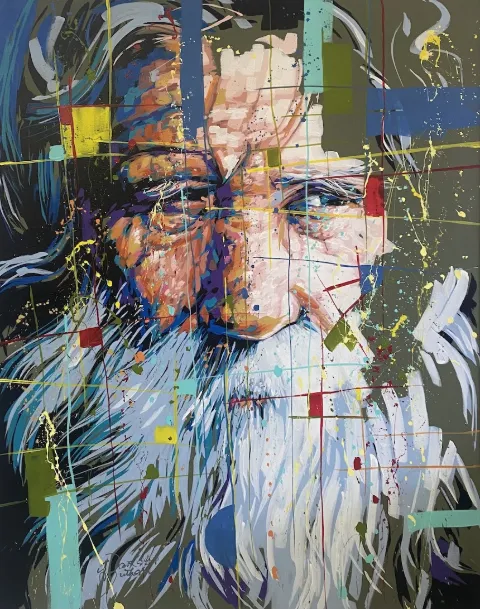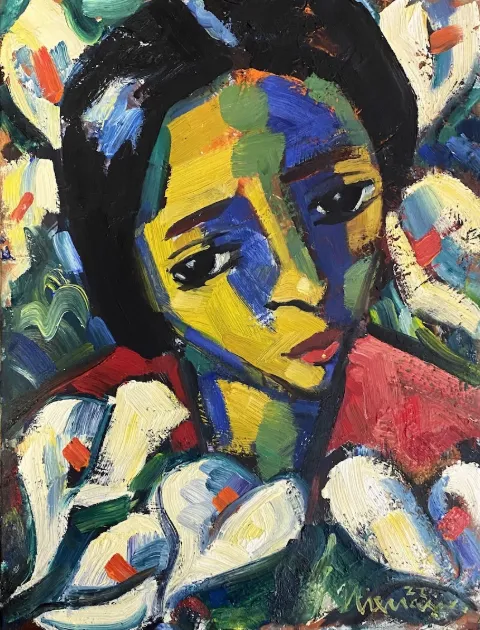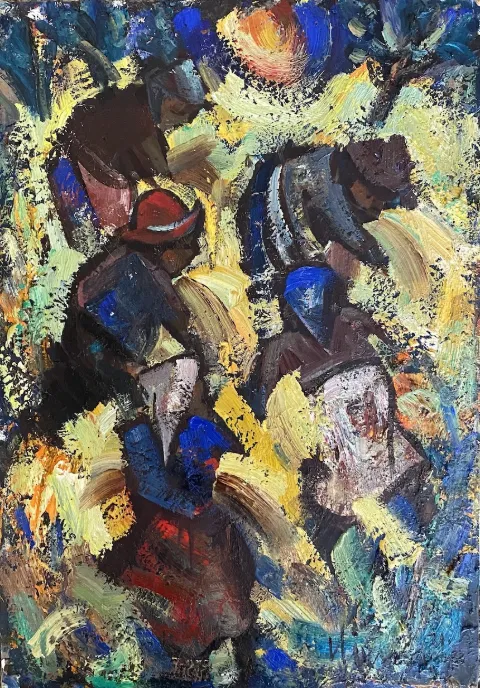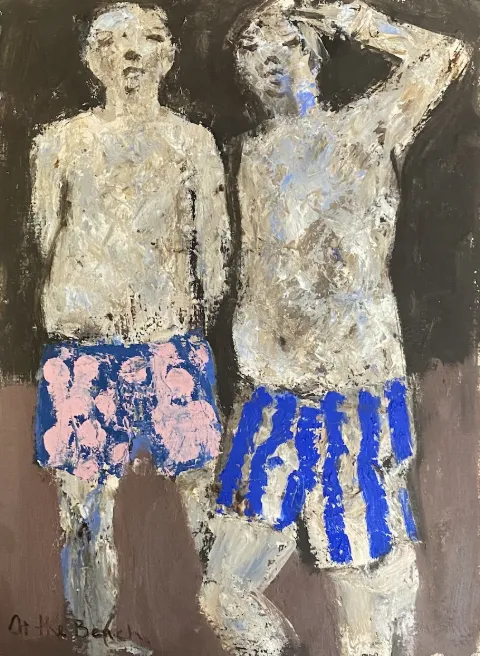

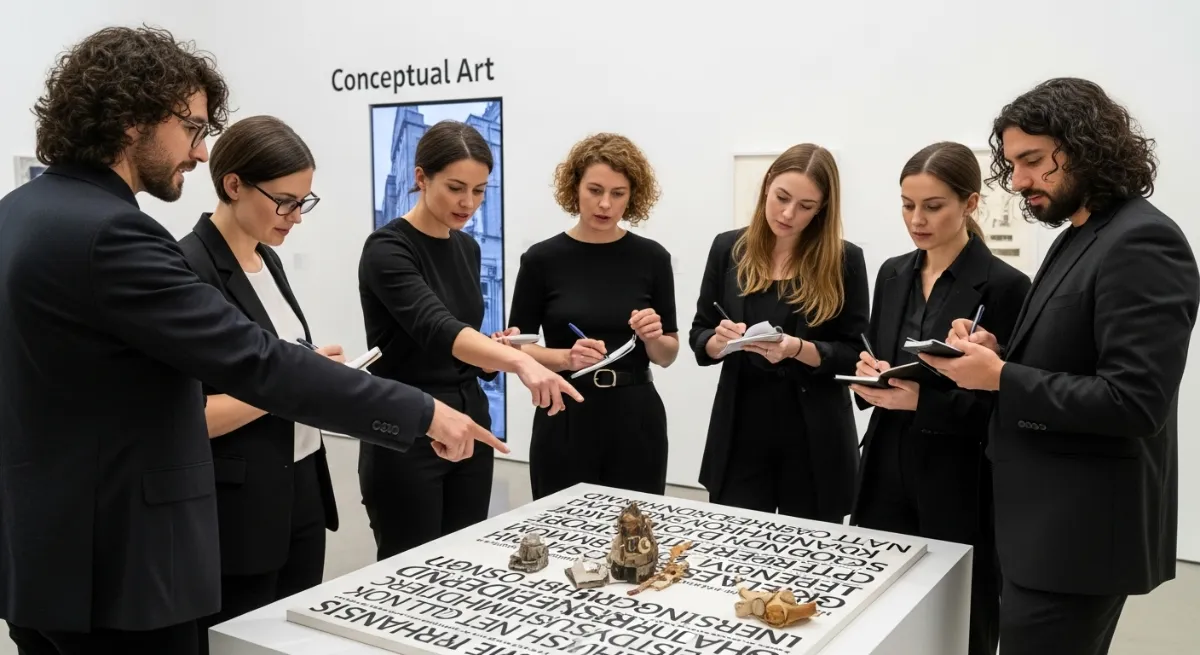
Conceptual art has turned the art world on its head. Forget about brush strokes and pretty pictures. Instead, the big shock lies in how the idea behind a piece is now considered more valuable than the artwork itself. Most people expect to find beauty hanging on the wall, but with conceptual art, collectors are actually chasing the meaning inside the frame. What happens when the main attraction is invisible and only comes alive in your thoughts? Wait until you see how this flips art collecting and interior design upside down.
Table of Contents
- Defining Conceptual Art: An Exploration Of Its Meaning
- The Core Philosophy Of Conceptual Art
- Historical Context And Emergence
- The Importance Of Conceptual Art In Modern Society
- Challenging Social Perspectives
- Expanding Artistic Boundaries
- Key Concepts And Themes In Conceptual Art
- Dematerialization Of Art
- Language And Communication
- How Conceptual Art Influences Art Collecting And Interior Design
- Redefining Art Acquisition
- Transforming Interior Design Perspectives
Quick Summary
Takeaway Explanation
Conceptual art prioritizes ideas over aesthetics. The movement shifts focus from visual beauty to intellectual engagement, reshaping how art is perceived and appreciated.
Artworks challenge traditional norms and provoke thought. By resisting conventional aesthetics, conceptual art encourages critical dialogue about societal and philosophical issues.
Collecting conceptual art is an intellectual investment. Collectors now acquire artworks for their ideas and cultural significance, rather than merely for visual appeal.
Dematerialization shifts focus from objects to concepts. This principle emphasizes the importance of the idea behind the artwork, changing the nature of artistic expression.
Conceptual art transforms interior spaces into intellectual landscapes. Incorporating conceptual art encourages thought-provoking environments that reflect complex social narratives and stimulate dialogue.
Defining Conceptual Art: An Exploration of Its Meaning
Conceptual art represents a radical departure from traditional artistic practices, fundamentally challenging how we perceive and understand art itself. Unlike conventional art forms that prioritize visual aesthetics, conceptual art places the primary emphasis on the intellectual idea or concept behind the artwork.
The Core Philosophy of Conceptual Art
At its essence, conceptual art declares that the idea is more important than the physical artwork. Artists within this movement argue that art’s value stems not from technical skill or visual beauty, but from the intellectual provocation and philosophical exploration embedded in the work. This approach transforms art from a purely visual experience into a cognitive and conceptual dialogue.
Key characteristics of conceptual art include:
- Prioritizing intellectual content over aesthetic presentation
- Challenging traditional art-making processes
- Encouraging viewers to engage critically with the artwork’s underlying concept
- Blurring boundaries between art, philosophy, and social commentary
Historical Context and Emergence
As documented by the Tate Museum, conceptual art emerged in the 1960s as a direct response to the commercialization and commodification of art. Artists sought to create works that transcended market-driven aesthetic preferences, instead focusing on communicating complex ideas and challenging societal norms.
This movement represented a profound shift in artistic thinking, suggesting that art could exist purely as an intellectual construct. Conceptual artists like Joseph Kosuth and Sol LeWitt pioneered approaches where the documentation, description, or theoretical framework of an artwork became as significant as its physical manifestation.
For collectors interested in exploring contemporary art movements, conceptual art offers a rich and intellectually stimulating collecting experience that goes far beyond traditional aesthetic appreciation. It invites engagement, critical thinking, and a deeper understanding of art’s potential to communicate complex ideas and provoke meaningful dialogue.
To help clarify how conceptual art differs from traditional art, the following table compares key characteristics of each approach as described in the article.
Feature Traditional Art Conceptual Art
Main Focus Visual aesthetics, beauty, and craftsmanship Intellectual ideas, meaning, and concept
Role of Physical Artwork Central to artistic value Secondary; the idea takes precedence
Artistic Value Based on technical skill and visual appeal Based on intellectual provocation and conceptual depth
Viewer Engagement Primarily visual appreciation Encourages critical thinking and intellectual dialogue
Collecting Motivation Decorative, aesthetic appreciation Investment in culture, ideas, and meaning
Relationship to Social Issues May reflect or occasionally address themes Actively challenges norms and sparks discourse
The Importance of Conceptual Art in Modern Society
Conceptual art represents more than an artistic movement it is a critical lens through which contemporary society examines complex ideas, challenges established norms, and promotes intellectual discourse. By prioritizing ideas over traditional aesthetic representation, conceptual art has transformed how we understand artistic expression and social communication.
Challenging Social Perspectives
In modern society, conceptual art serves as a powerful tool for social critique and intellectual provocation. Artists use this medium to address complex issues such as political ideology, cultural identity, and systemic inequalities. The artwork becomes a platform for dialogue, encouraging viewers to question existing structures and think critically about societal dynamics.
Key social contributions of conceptual art include:
- Exposing hidden power structures
- Challenging established artistic conventions
- Promoting critical thinking and intellectual engagement
- Creating spaces for marginalized voices and perspectives
Expanding Artistic Boundaries
Contemporary art trends demonstrate that conceptual art continues to push the boundaries of what can be considered artistic expression. According to scholarly research from international art journals, conceptual art has fundamentally transformed artistic practice by dematerializing art objects and emphasizing intellectual content over physical representation.
This approach allows artists to explore complex themes beyond traditional visual mediums, incorporating performance, documentation, language, and theoretical frameworks as legitimate artistic expressions. By doing so, conceptual art challenges viewers to engage with art as an intellectual and emotional experience rather than a passive visual consumption.
For collectors and art enthusiasts, conceptual art represents an opportunity to collect not just objects, but ideas. It invites continuous reinterpretation, intellectual engagement, and a deeper understanding of art’s potential to communicate profound social and philosophical concepts.
Key Concepts and Themes in Conceptual Art
Conceptual art transcends traditional artistic boundaries by emphasizing intellectual exploration and transformative ideas. At its core, the movement challenges viewers to engage with art as a dynamic intellectual experience rather than a static visual representation.
Dematerialization of Art
Dematerialization represents a fundamental principle in conceptual art, where the physical artwork becomes secondary to the underlying concept. Artists deliberately deconstruct traditional art forms, shifting focus from material objects to pure intellectual expression. This approach transforms art from a tangible product into an abstract philosophical dialogue.
Key characteristics of dematerialization include:
- Prioritizing ideas over physical representation
- Challenging traditional art production methods
- Using documentation as an artistic medium
- Exploring conceptual frameworks beyond visual aesthetics
Language and Communication
Language emerges as a critical artistic tool in conceptual art. Artists utilize textual elements, linguistic structures, and semantic interpretations to communicate complex ideas. By treating language itself as an artistic medium, conceptual artists expand the boundaries of creative expression.
Explore contemporary artistic approaches that demonstrate how language can become a profound artistic statement. According to academic research on visual art development, conceptual art represents a sophisticated mode of intellectual communication that transcends traditional artistic boundaries.
The themes within conceptual art are intentionally provocative, designed to challenge viewers’ perceptions and stimulate critical thinking. Artists deliberately create works that prompt questions about social structures, personal identity, and the nature of artistic representation. By rejecting conventional aesthetic standards, conceptual art invites audiences to become active participants in the meaning-making process, transforming passive observation into an intellectual engagement.
The table below summarises key concepts and themes in conceptual art, providing concise definitions for each for easy reference.
Concept/Theme Explanation
Dematerialisation of Art Making the physical object secondary to the underlying idea, focusing on intellectual expression
Language and Communication Using text, language, and semantics as primary mediums to convey artistic meaning
Challenging Social Norms Critiquing power structures and encouraging viewers to question social conventions
Expanding Artistic Boundaries Using formats beyond traditional painting and sculpture, such as performance, documentation, and theory
Intellectual Engagement Inviting viewers to interpret and interact with the concept rather than passively observe visuals
How Conceptual Art Influences Art Collecting and Interior Design
Conceptual art has fundamentally transformed how collectors and interior designers perceive, acquire, and integrate art into living and working spaces. By challenging traditional aesthetic boundaries, conceptual art introduces a more nuanced approach to art collection and spatial design.
Redefining Art Acquisition
Art collecting has evolved from mere aesthetic acquisition to intellectual investment. Conceptual art collectors are no longer simply purchasing visual objects but are investing in complex ideas, philosophical statements, and intellectual provocations. This shift means that the value of an artwork is determined not just by its visual appeal, but by its conceptual depth, cultural significance, and potential to stimulate critical thinking.
Key considerations for conceptual art collectors include:
- Evaluating the intellectual rigour of the artwork
- Understanding the artist’s conceptual framework
- Assessing the work’s potential for long-term cultural relevance
- Recognizing art as a form of intellectual dialogue
Transforming Interior Design Perspectives
Contemporary interior design trends demonstrate how conceptual art has revolutionized spatial aesthetics. According to research exploring art and architectural intersections, conceptual artworks are now viewed as dynamic elements that transform spaces beyond mere decorative objects.
Interior designers increasingly integrate conceptual art as a means of creating environments that provoke thought, challenge perceptions, and reflect complex social narratives. The artwork becomes a conversation piece that transcends traditional decorative functions, transforming spaces into intellectual landscapes that stimulate dialogue and reflection.
For sophisticated collectors and design enthusiasts, conceptual art represents more than an aesthetic choice it is an opportunity to curate spaces that challenge, inspire, and continuously reinterpret the relationship between art, environment, and human experience.
Make Your Collection a Conversation Starter with Conceptual Art
Are you inspired by the intellectual depth and fresh perspectives that conceptual art offers but struggle to find authentic works from South Africa’s leading artists? Many collectors want to move beyond simple decoration and invest in ideas that challenge, provoke, and leave a lasting impact. The journey from understanding dematerialisation and language as art, to confidently selecting pieces that reshape your space, can be overwhelming. That’s where Art Online steps in, connecting you directly to South Africa’s finest conceptual talents.
Let your next acquisition tell a bigger story. Visit Art Online today and explore a curated selection where each piece transforms your collection into a source of conversation and meaning. Discover exclusive artworks that reflect the innovative practices discussed in our latest article about conceptual art. Claim your place among forward-thinking collectors and elevate your space with South African art that redefines what it means to own original and provocative ideas.
Frequently Asked Questions
What is the core philosophy behind conceptual art?
The core philosophy of conceptual art prioritizes the idea or concept behind the artwork over its physical form. It emphasizes that art’s value lies in its intellectual provocation rather than technical skill or visual beauty.
How has conceptual art influenced modern social perspectives?
Conceptual art influences modern social perspectives by serving as a powerful tool for social critique. Artists use it to address complex issues such as political ideologies, cultural identities, and systemic inequalities, encouraging viewers to engage critically with societal norms.
What is meant by the term ‘dematerialization of art’ in conceptual art?
Dematerialization in conceptual art refers to the principle where the physical artwork is secondary to the ideas behind it. This approach shifts focus from material representation to pure intellectual expression, transforming art into an abstract dialogue.
How do collectors approach acquiring conceptual art differently than traditional art?
Collectors of conceptual art approach acquisition as an intellectual investment rather than just an aesthetic one. They evaluate the artwork’s conceptual depth, cultural significance, and potential to stimulate critical thinking, moving beyond mere visual appeal.
Recommended
- Famous South African Artists: 2025 Guide for Collectors & Decorators – Art-Online
- South African Tribal Art: Trends and Decor Ideas for 2025 – Art-Online
- Why Buy Original Art in South Africa: Key 2025 Insights – Art-Online
- Painting Prices Unveiled: Explore 5 Types of Captivating Paintings and Their Exceptional Values – Art-Online