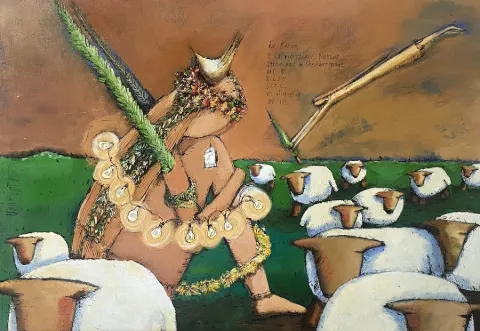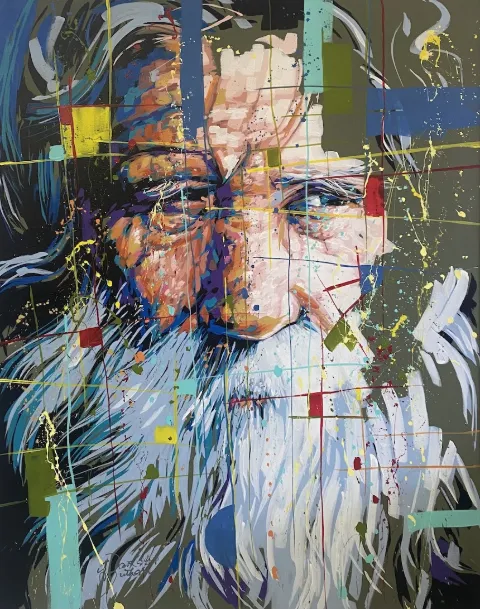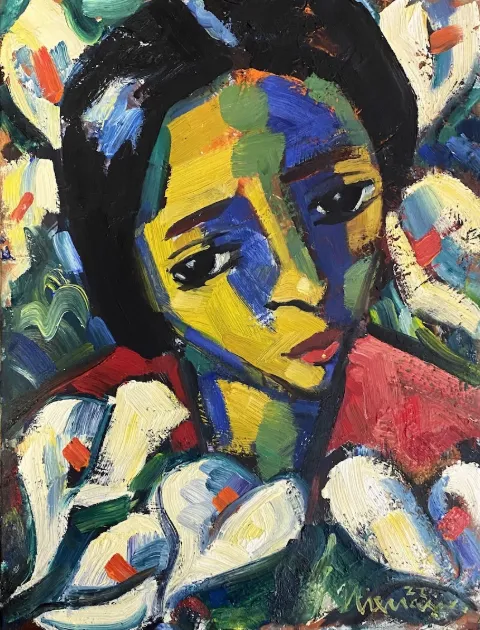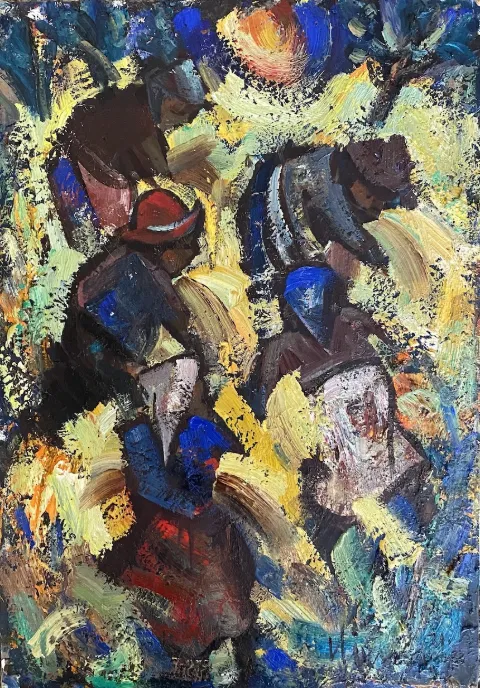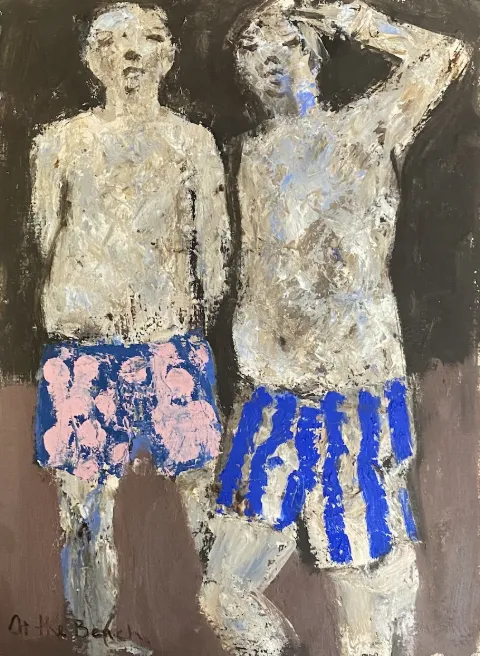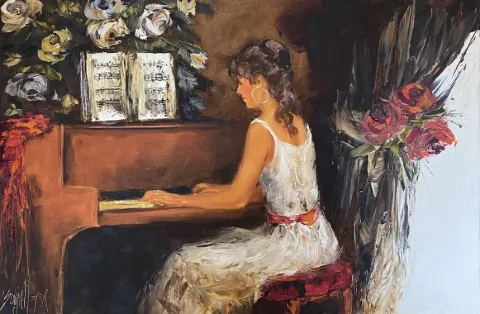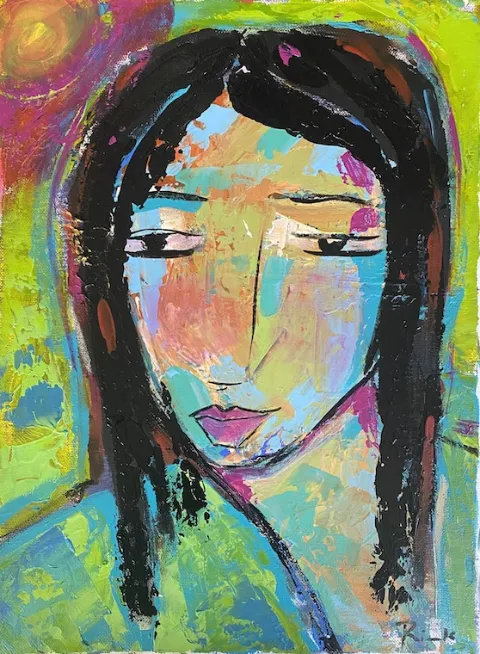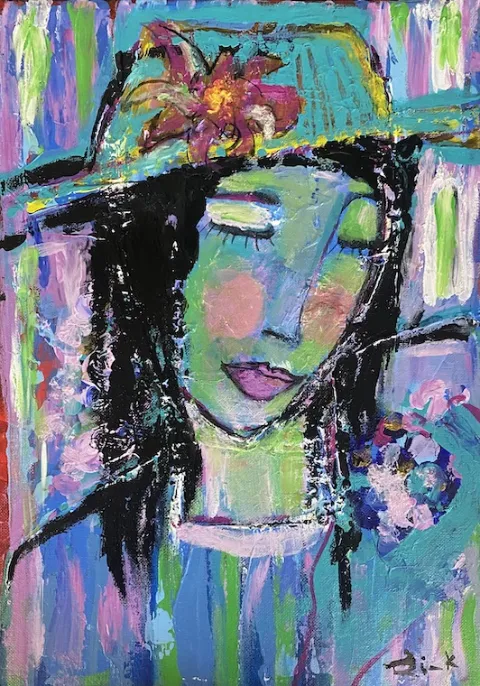
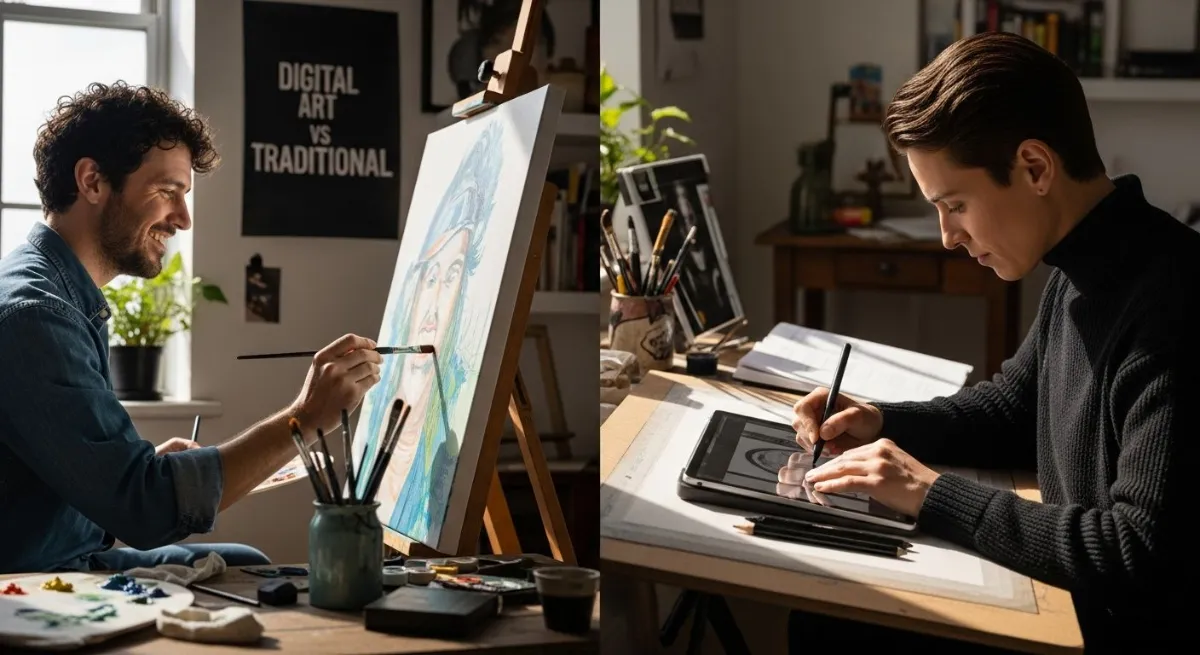
Art has always been about how humans express creativity and emotion. Now the world is witnessing something wild. Digital art sales topped 69 million dollars for a single piece in 2021, turning centuries of art tradition on its head. But while tech platforms seem to be taking over, the heart of artistic impact still often lies in the medium itself, and the ways materials shape the stories we see and feel.
Table of Contents
- Defining Digital Art And Traditional Art
- What Defines Traditional Art
- The Emergence Of Digital Art
- Key Differences Between Digital And Traditional Art
- The Significance Of Artistic Medium: Why It Matters
- Artistic Medium As Creative Expression
- The Psychological Impact Of Medium Selection
- Technical And Conceptual Considerations
- Exploring The Creative Process: How Each Medium Works
- Traditional Art Creation Workflow
- Digital Art: A Technological Creative Journey
- Comparative Creative Considerations
- Comparing The Emotional And Cultural Impact
- Emotional Resonance Of Artistic Mediums
- Cultural Representation And Contextual Significance
- Comparative Emotional Dimensions
- Market Trends: Value And Collectibility In Both Forms
- Traditional Art Market Dynamics
- Digital Art And Emerging Valuation Models
- Comparative Market Considerations
Quick Summary
Takeaway Explanation Traditional art uses physical materials. Traditional art relies on tangible mediums like canvas and paint, requiring manual craftsmanship. Digital art relies on technology. Digital art employs software and devices, allowing complex creations and easier edits. Medium choice influences emotional impact. The selected medium shapes how emotions are conveyed and how audiences perceive the artwork. Market dynamics differ for both mediums. Traditional art values physical scarcity, while digital art’s worth is influenced by technology like NFTs. Both art forms provide unique experiences. Traditional art offers tactile engagement, while digital art enables rapid creativity and broader emotional expression.Defining Digital Art and Traditional Art
The world of art has undergone significant transformation with the emergence of digital technologies, creating fascinating distinctions between digital art and traditional art. Understanding these differences provides insight into how artistic expression continues to evolve in the modern era.What Defines Traditional Art
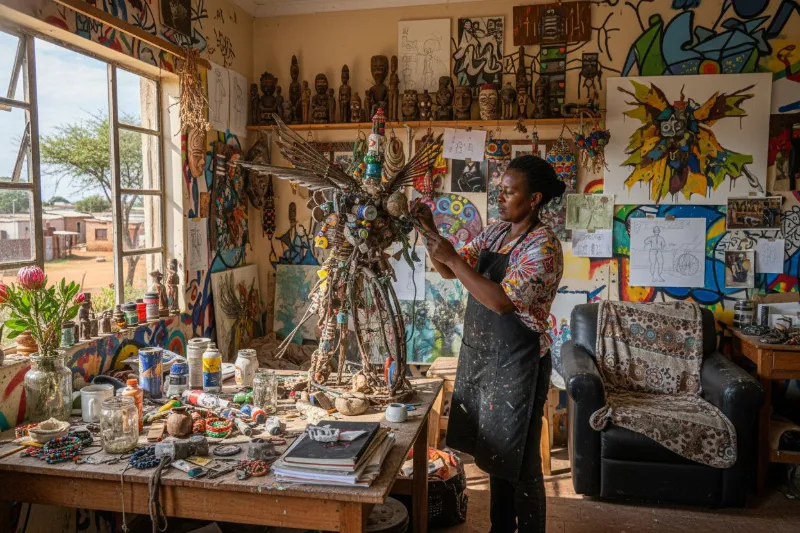
Traditional art represents artistic creation using physical materials and manual techniques that have been practiced for centuries. Artists work directly with tangible mediums like canvas, paper, paint, clay, or sculpture materials. These art forms require physical skill, precise hand movements, and direct manipulation of artistic tools. Traditional art includes painting, drawing, sculpture, printmaking, and other techniques that involve direct human craftsmanship.The Emergence of Digital Art
Digital art represents a revolutionary approach to artistic creation utilizing digital technologies and computational tools. According to Adobe Creative, digital art encompasses various forms created using digital platforms, including graphic design, digital painting, 3D modeling, and computer-generated imagery. Unlike traditional art, digital art relies on software, electronic devices, and advanced technological interfaces to produce visual expressions.Key Differences Between Digital and Traditional Art
While both digital and traditional art share the fundamental goal of creative expression, they differ significantly in creation process and characteristics:- Tools and Materials: Traditional art uses physical tools like brushes, pencils, and canvases, while digital art requires computers, graphic tablets, and specialized software.
- Reproducibility: Digital art can be easily replicated and distributed electronically, whereas traditional art pieces are typically unique physical objects.
- Manipulation Capabilities: Digital art allows unprecedented editing and transformation possibilities that are more challenging in traditional art mediums.
- Skill Requirements: Traditional art demands manual dexterity and physical technique, while digital art requires technical software proficiency and digital design skills.
The Significance of Artistic Medium: Why It Matters
The artistic medium represents far more than a simple tool for creation. It serves as a critical language through which artists communicate their vision, emotions, and conceptual ideas. Understanding the profound significance of artistic medium reveals how the selection of materials fundamentally transforms the artistic experience and viewer perception.Artistic Medium as Creative Expression
Each artistic medium carries unique inherent characteristics that shape artistic expression. Oil paints offer rich texture and depth, watercolors provide translucent luminosity, digital platforms enable complex manipulations, and sculpture materials allow three-dimensional exploration. Artists strategically choose mediums that best translate their creative intentions, understanding that the medium itself becomes an integral part of the artwork’s narrative and emotional resonance.The Psychological Impact of Medium Selection
According to Tate Modern, the selection of artistic medium profoundly influences both the creator’s process and the audience’s interpretation. Different mediums evoke distinct psychological responses. Traditional mediums like oil painting might communicate permanence and historical depth, while digital art can suggest dynamism, technological innovation, and contemporary complexity. Learn more about exploring artistic materials that expand creative possibilities.Technical and Conceptual Considerations
Choosing an artistic medium involves nuanced considerations beyond aesthetic preferences:- Technical Skill Requirements: Each medium demands specific techniques and expertise
- Emotional Transmission: Mediums have inherent capacities to convey different emotional intensities
- Cultural and Historical Context: Some mediums carry deeper cultural significance and historical associations
- Accessibility and Cost: Practical considerations like material availability and expense influence medium selection
Exploring the Creative Process: How Each Medium Works
The creative process varies dramatically between digital and traditional art mediums, reflecting unique approaches to artistic expression. Each medium demands distinct techniques, mental frameworks, and technological interactions that shape how artists conceptualize and realize their visual ideas.Traditional Art Creation Workflow
Traditional art creation is a tactile, physically intimate process involving direct manipulation of materials. Artists engage with their medium through hands-on techniques like brushstrokes, sculpting, or drawing. Physical skills such as hand-eye coordination, precise motor control, and understanding material properties become critical. Oil painters layer pigments carefully, watercolor artists manage fluid transparency, and sculptors shape three-dimensional forms through direct physical engagement.Digital Art: A Technological Creative Journey
Digital art creation represents a fundamentally different workflow driven by technological interfaces. According to Creative Bloq, digital artists use graphic tablets, styluses, and sophisticated software to translate creative visions. Discover innovative art tools that expand artistic possibilities in the digital realm. The process involves layers, complex editing capabilities, and instantaneous transformations that are impossible in traditional mediums.Comparative Creative Considerations
Both artistic approaches share core creative principles while presenting unique workflow characteristics:- Conceptualization: Traditional art relies more on pre-planning and physical sketching
- Error Correction: Digital art allows immediate undo and modification
- Time Investment: Traditional mediums often require longer completion times
- Experimentation: Digital platforms enable rapid iteration and style exploration
Comparing the Emotional and Cultural Impact
Art serves as a profound communication medium that transcends mere visual representation, deeply connecting with human emotions and cultural narratives. The emotional and cultural impact varies significantly between digital and traditional art forms, reflecting complex psychological and societal dynamics.Emotional Resonance of Artistic Mediums
Traditional art carries an inherent emotional depth rooted in physical interaction and sensory experience. The tactile qualities of brushstrokes, the texture of canvas, and the tangible presence of a physical artwork create a visceral connection that digital mediums struggle to replicate. Traditional art often communicates emotional nuances through subtle material imperfections and personal touch, generating a sense of authenticity and intimacy.Cultural Representation and Contextual Significance
According to Frontiers in Psychology, cultural background profoundly influences aesthetic appreciation. Different artistic mediums carry unique cultural narratives and historical significance. Traditional art forms often represent generational knowledge, cultural heritage, and community storytelling, while digital art symbolizes technological progression and contemporary global interconnectedness. Explore the evolution of artistic expression and understand how mediums reflect societal transformations.Comparative Emotional Dimensions
Each artistic medium offers distinct emotional engagement opportunities:- Sensory Experience: Traditional art provides direct physical interaction
- Emotional Accessibility: Digital art enables broader emotional expression through technological flexibility
- Cultural Preservation: Traditional mediums maintain historical artistic traditions
- Global Communication: Digital platforms facilitate cross-cultural artistic dialogue
Market Trends: Value and Collectibility in Both Forms
The art market has undergone significant transformation with the emergence of digital art, challenging traditional notions of value, ownership, and collectibility. Both traditional and digital art forms present unique market dynamics that reflect evolving technological and collector preferences.Traditional Art Market Dynamics
Traditional art maintains a robust market position rooted in historical value and physical scarcity. Collectors prize original pieces for their tangible qualities, provenance, and potential appreciation. Physical artworks like oil paintings, sculptures, and limited edition prints continue to command significant prices at auction houses and galleries. The intrinsic value stems from the artwork’s unique physical existence, artist reputation, and historical significance.Digital Art and Emerging Valuation Models
Digital art has revolutionized market valuation through technologies like blockchain and non-fungible tokens (NFTs). According to Belfer Center, digital platforms are expanding art market accessibility and transforming traditional collection models. Discover insights into art investment and understand the evolving landscape of art ownership. Digital artworks can now be authenticated, traded, and valued with unprecedented transparency, creating new economic opportunities for artists and collectors.Comparative Market Considerations
Both artistic mediums present distinctive market characteristics:- Authenticity: Traditional art relies on physical provenance, digital art uses blockchain verification
- Reproduction Rights: Digital art allows easier duplication, traditional art maintains scarcity
- Investment Potential: Traditional art has established long-term value metrics
- Global Accessibility: Digital platforms enable worldwide art trading and collection