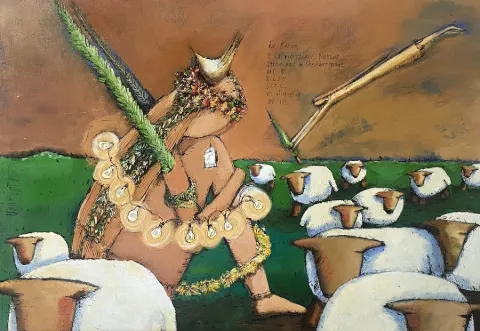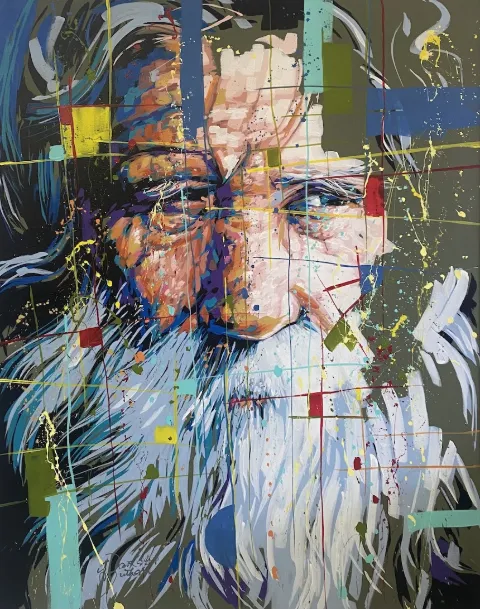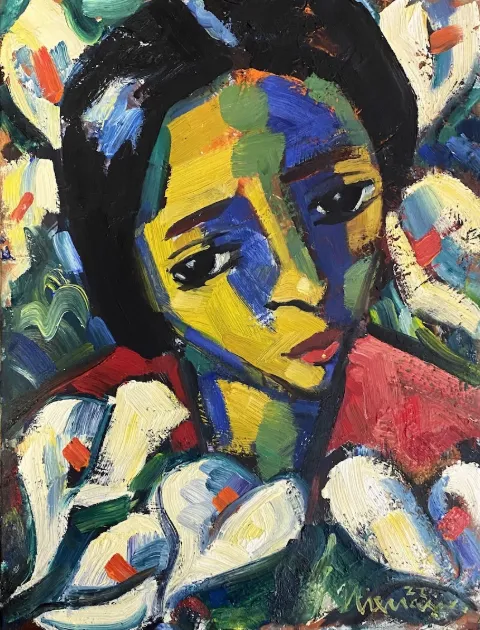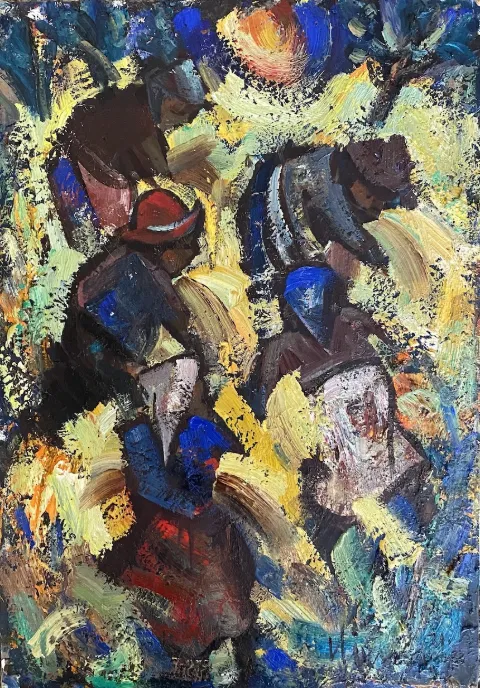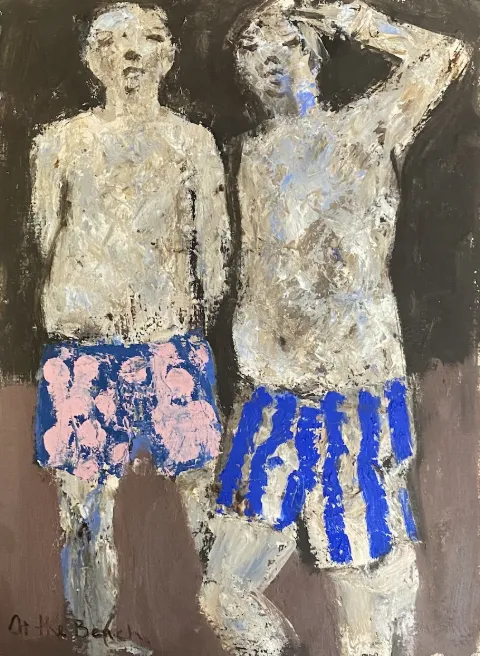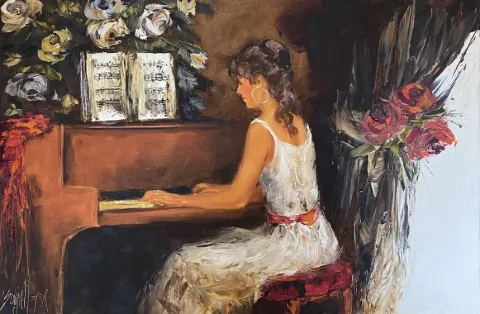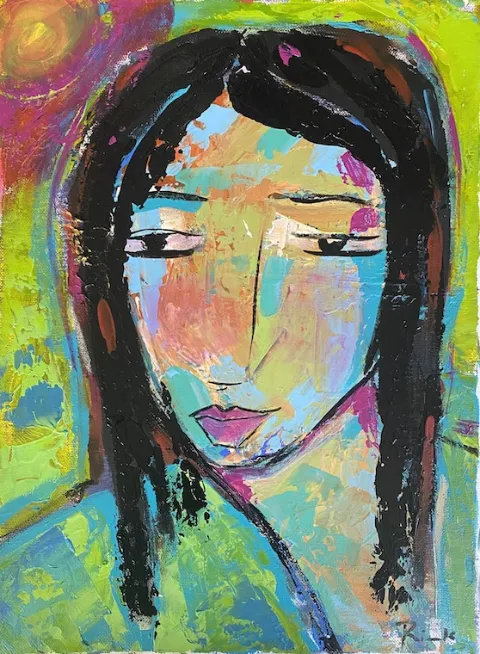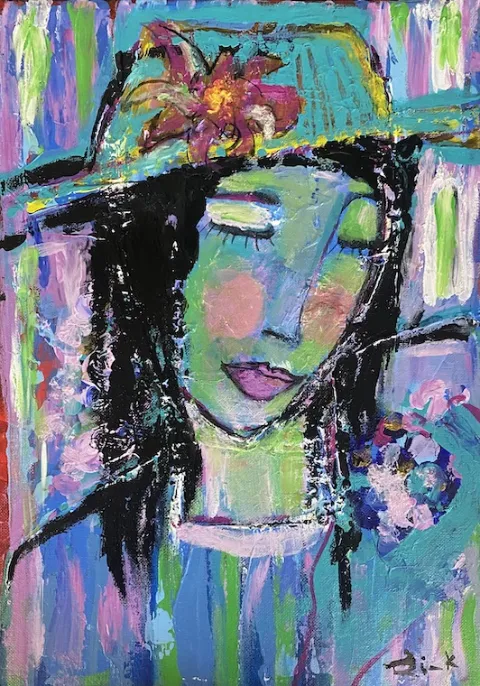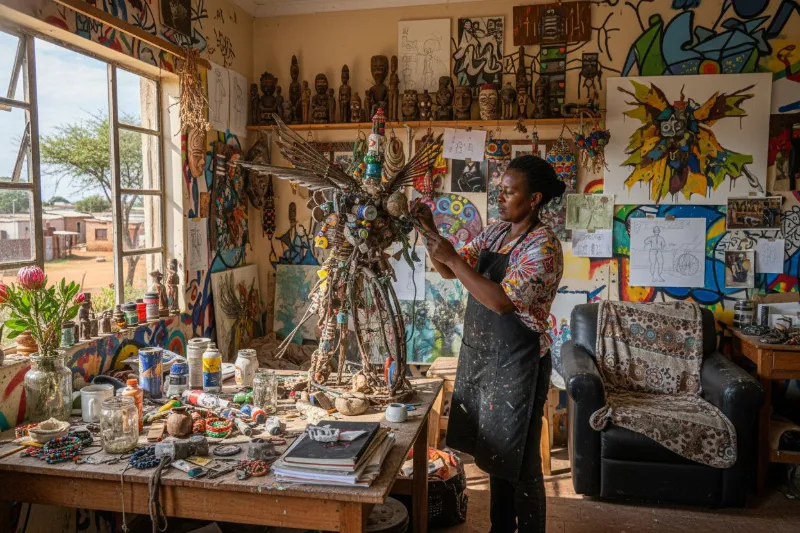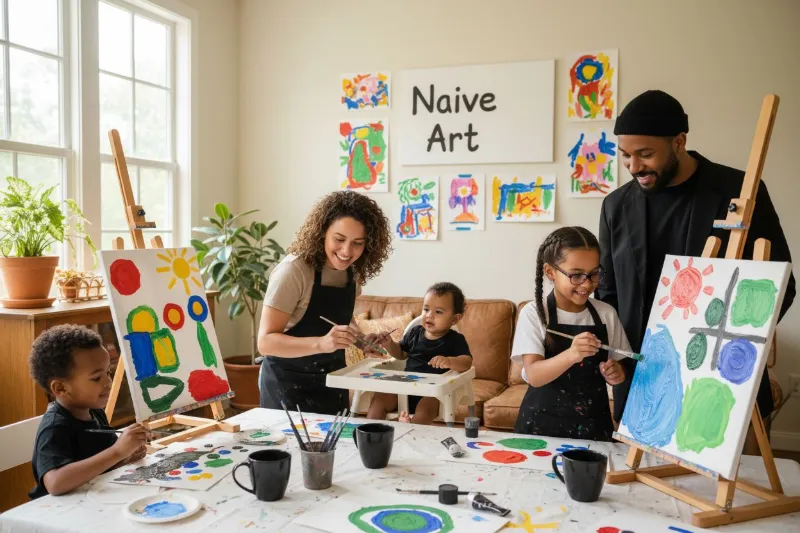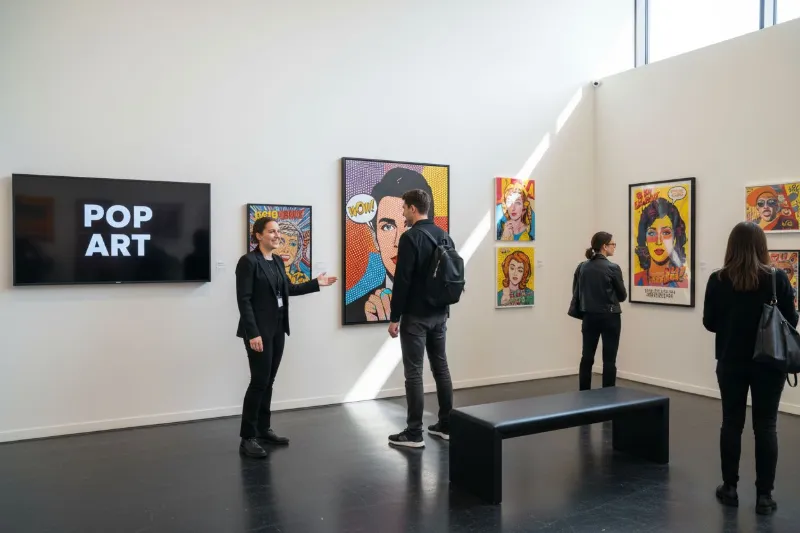
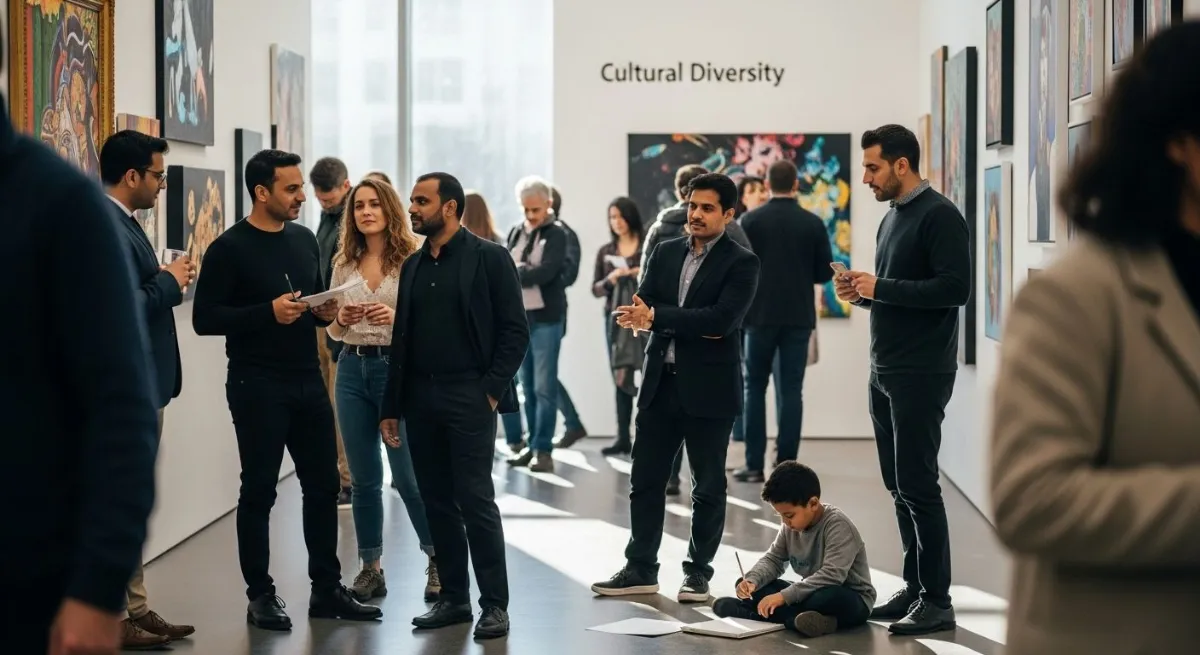
Cultural diversity in art is not just about different styles or bright colours. Look at this. Each culture brings its own unique visual language and artistic method that you will not find anywhere else in the world. People might think art is only for galleries or the rich, but the real story is that art from different cultures actually connects communities, preserves lost traditions, and sparks new ideas every day.
Table of Contents
- What Is Cultural Diversity In Art And Its Origins?
- The Foundations Of Cultural Diversity In Art
- Historical Evolution And Global Significance
- Why Cultural Diversity In Art Matters For Society
- Social Understanding And Empathy
- Economic And Cultural Preservation
- How Cultural Diversity In Art Influences Artistic Expression
- Techniques And Aesthetic Innovations
- Narrative And Representational Complexity
- Key Concepts Of Cultural Exchange In Art
- Mechanisms Of Artistic Dialogue
- Transformation And Mutual Understanding
- Real-World Examples Of Cultural Diversity In Art
- Institutional Representations Of Diversity
- Collaborative Artistic Projects
Quick Summary
Takeaway Explanation Cultural diversity enriches art It showcases unique perspectives and traditions from various societies, celebrating human expression. Art fosters social understanding Through diverse narratives, art breaks barriers, promoting empathy among different cultural groups. Economic benefits arise from artistic diversity Supporting cultural expressions creates job opportunities and preserves traditional knowledge while driving local economies. Artistic exchange enhances creativity Collaborations across cultures inspire new techniques and perspectives, transforming artistic practices into innovative dialogues. Representation in art is crucial Inclusive art collections amplify marginalized voices, creating spaces for diverse stories and experiences in society.What is Cultural Diversity in Art and Its Origins?
Cultural diversity in art represents the rich tapestry of human expression across different societies, ethnicities, and historical contexts. At its core, it reflects the unique perspectives, traditions, and lived experiences that shape artistic creation worldwide. Cultural perspectives in visual arts demonstrate how artistic expression becomes a powerful medium for understanding societal complexity and human identity.The Foundations of Cultural Diversity in Art
Art serves as a profound communication platform where cultural narratives, historical experiences, and collective memories intersect. By transcending linguistic barriers, artworks communicate complex emotional and social realities that words often cannot fully capture. Cultural diversity in art emerges from multiple interconnected dimensions:- Representation of unique cultural experiences
- Preservation of traditional artistic techniques
- Exploration of collective and individual identities
- Challenging dominant cultural narratives
Historical Evolution and Global Significance
The concept of cultural diversity in art has evolved significantly throughout human history. From indigenous traditions to contemporary global exchanges, artistic expressions have continuously reflected societies’ complex interactions. Each cultural tradition contributes unique visual languages, ranging from African tribal art and Asian calligraphy to European Renaissance paintings. Understanding cultural diversity in art requires recognizing that artistic creation is never neutral. It represents power dynamics, historical struggles, and ongoing negotiations of identity. Artists become crucial storytellers who translate collective experiences into visual narratives that challenge, celebrate, and reimagine cultural understanding. By embracing cultural diversity, art transforms from a mere aesthetic practice into a profound mechanism for mutual understanding, respect, and global dialogue.Why Cultural Diversity in Art Matters for Society
Cultural diversity in art transcends aesthetic appreciation and serves as a critical mechanism for social understanding, empowerment, and transformation. Cultural heritage contributes significantly to national development, offering profound insights into collective experiences and individual identities.Social Understanding and Empathy
Art functions as a powerful communication bridge between different societal groups, enabling people to experience perspectives beyond their immediate lived realities. By presenting diverse narratives, art challenges preconceived notions and encourages deeper cross-cultural comprehension. Exploring influential South African artists reveals how artistic expressions can transform social dialogues. Key aspects of art’s social impact include:- Breaking down cultural barriers
- Facilitating emotional connections across differences
- Promoting mutual respect and understanding
- Challenging systemic prejudices
Economic and Cultural Preservation
Cultural diversity in art represents more than symbolic representation. It becomes an economic driver that supports creative industries, preserves traditional knowledge, and generates sustainable economic opportunities. Artistic traditions serve as living repositories of collective memory, ensuring that cultural practices continue to evolve and remain relevant. By valuing diverse artistic expressions, societies invest in:- Protecting indigenous knowledge systems
- Supporting local artisan communities
- Creating economic opportunities for marginalized groups
- Promoting cultural tourism and heritage experiences
How Cultural Diversity in Art Influences Artistic Expression
Cultural diversity fundamentally transforms artistic expression by introducing complex layers of narrative, technique, and perspective that challenge traditional artistic boundaries. Decolonizing Indigenous art practices demonstrates how cultural diversity becomes a powerful mechanism for reimagining artistic representation.Techniques and Aesthetic Innovations
Artistic expression emerges from deep cultural roots, with each tradition contributing unique visual languages and methodological approaches. When diverse cultural perspectives intersect, they generate innovative artistic techniques that transcend conventional artistic frameworks. Exploring contemporary African art trends reveals how artists blend traditional and modern approaches. Key transformative elements include:- Integrating indigenous symbolic systems
- Reinterpreting traditional artistic techniques
- Challenging dominant aesthetic narratives
- Developing hybrid artistic methodologies
Narrative and Representational Complexity
Cultural diversity introduces multifaceted narratives that expand artistic representation beyond singular perspectives. Artists from different cultural backgrounds bring nuanced storytelling approaches, challenging monolithic interpretations of historical and contemporary experiences. These diverse narratives create rich, complex visual dialogues that reflect the intricate nature of human experience. Diverse artistic expressions enable:- Amplifying marginalized voices
- Presenting alternative historical interpretations
- Challenging systemic visual representation
- Creating more inclusive artistic landscapes
Key Concepts of Cultural Exchange in Art
Cultural exchange in art represents a dynamic process of mutual learning, understanding, and transformation through artistic interactions across different cultural boundaries. Strategic international arts partnerships demonstrate how artistic collaboration can transcend geographical and cultural limitations.Mechanisms of Artistic Dialogue
Artistic exchange functions as a sophisticated communication platform, enabling artists to share complex cultural narratives through visual, performative, and interpretative mediums. Exploring traditional tribal art influences reveals the intricate ways cultural knowledge transfers between different artistic traditions. Key mechanisms of cultural exchange include:- Collaborative artistic projects
- Cross-cultural artistic residencies
- International art exhibitions
- Transnational creative workshops
Transformation and Mutual Understanding
Cultural exchange in art goes beyond simple representation. It involves profound processes of translation, interpretation, and reimagination where artists negotiate complex cultural identities and shared human experiences. These interactions create nuanced platforms for understanding differences and discovering universal connections. The transformative potential of artistic exchange manifests through:- Breaking down cultural stereotypes
- Creating hybrid artistic languages
- Developing mutual respect and empathy
- Generating innovative creative methodologies
Real-World Examples of Cultural Diversity in Art
Cultural diversity in art emerges through tangible projects that showcase the rich tapestry of human experiences and artistic expressions. Exploring notable African art collections reveals the profound ways different cultural traditions intersect and communicate through visual mediums.Institutional Representations of Diversity
Institutional art collections serve as powerful platforms for cultural representation, documenting and preserving diverse artistic narratives. Significant cultural art initiatives demonstrate how systematic approaches can amplify marginalized artistic voices and promote social inclusion. Key institutional approaches include:- Curating comprehensive multicultural collections
- Developing inclusive acquisition strategies
- Creating educational programs about cultural diversity
- Supporting artists from underrepresented communities
Collaborative Artistic Projects
Cross-cultural artistic collaborations exemplify how cultural diversity transforms creative practices. These projects go beyond simple representation, creating dynamic spaces where different artistic traditions dialogue, challenge, and inspire each other. Artists become cultural ambassadors, translating complex social experiences through shared creative processes. Examples of transformative collaborative approaches involve:- International artist exchange programs
- Multidisciplinary performance projects
- Joint community art installations
- Cross-cultural research and documentation initiatives