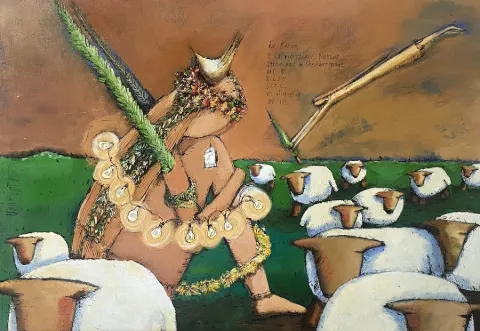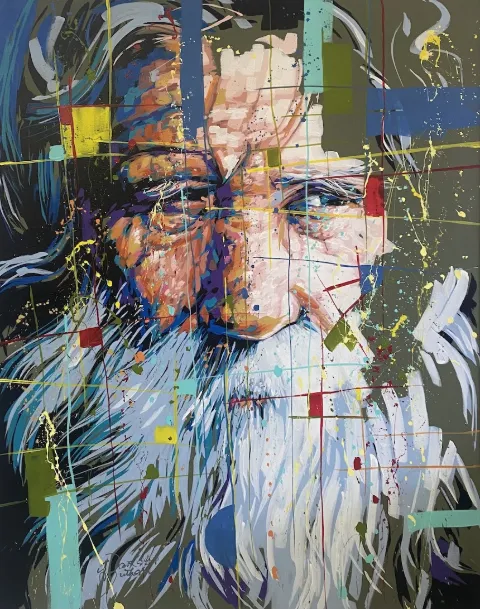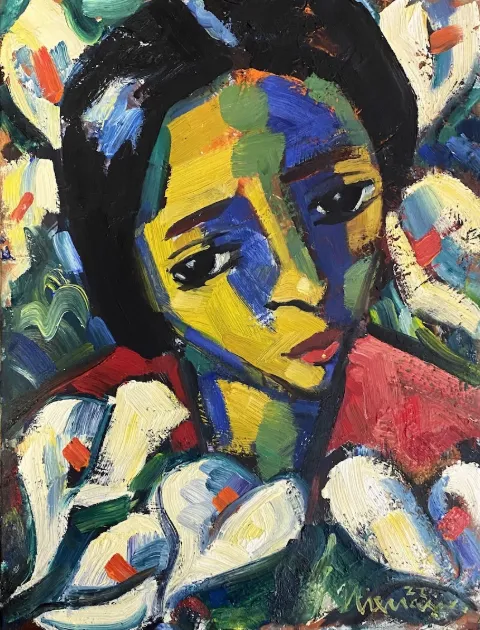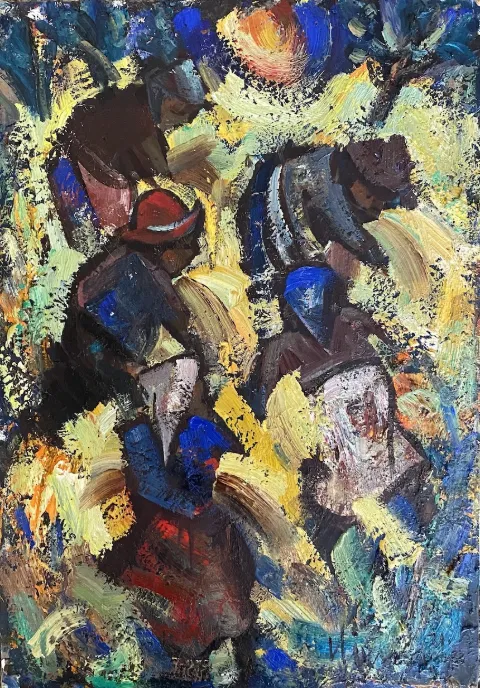

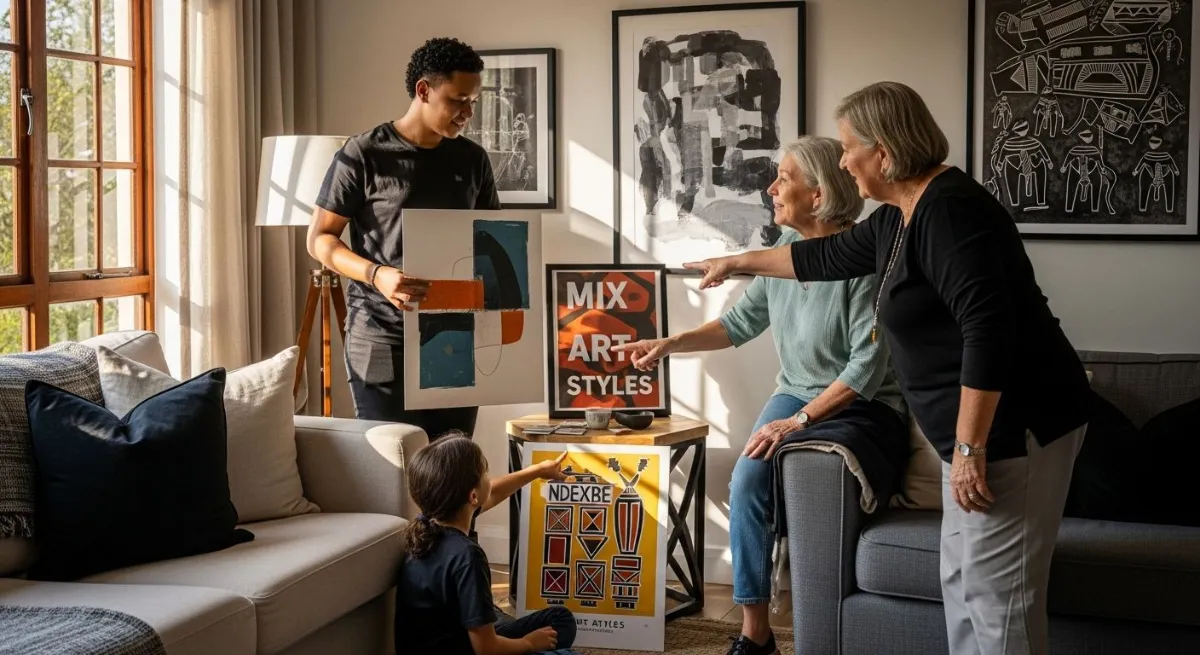
Mixing different art styles in a South African space sounds bold and maybe even a bit risky. Imagine hanging a Ndebele-inspired piece next to a modern abstract and then adding a splash of San rock art for good measure. But here’s the shocker. South African homes blending indigenous and contemporary art are seeing a 60 percent spike in demand on local decor platforms this year. Most people think only professional designers can pull this off but it actually comes down to balance, theme, and a feel for how unique stories can flow through your space.
Table of Contents
- Understanding Different Art Styles In South Africa
- Indigenous Artistic Traditions
- Contemporary Artistic Convergence
- Key Principles For Mixing Art Styles Successfully
- Color And Composition Balance
- Proportion And Visual Harmony
- Conceptual And Thematic Integration
- Practical Tips For Creating A Cohesive Art Display
- Establishing A Unifying Theme
- Gallery Wall Composition Techniques
- Technical Considerations For Art Arrangement
- South African Trends And Examples For Inspiration
- Contemporary Artistic Fusion
- Indigenous And Modern Artistic Dialogue
- Spatial Storytelling Through Art
Quick Summary
Takeaway Explanation
Explore South Africa’s artistic heritage Understand indigenous traditions and contemporary art to appreciate local expressions.
Balance color and composition Use color theory to create unity between diverse art styles in displays.
Establish a unifying theme Choose a central idea to connect various artworks, fostering a cohesive experience.
Embrace technical precision in arrangement Focus on height, visual weight, and spacing for an effective art display.
Narrate stories through art Create interconnected displays that reflect personal and cultural narratives in South African context.
Understanding Different Art Styles in South Africa
South African art represents a rich tapestry of cultural expressions that reflect the nation’s complex historical and social landscapes. Artists in this region have developed unique approaches to visual representation, drawing inspiration from indigenous traditions, colonial encounters, and contemporary global influences.
Indigenous Artistic Traditions
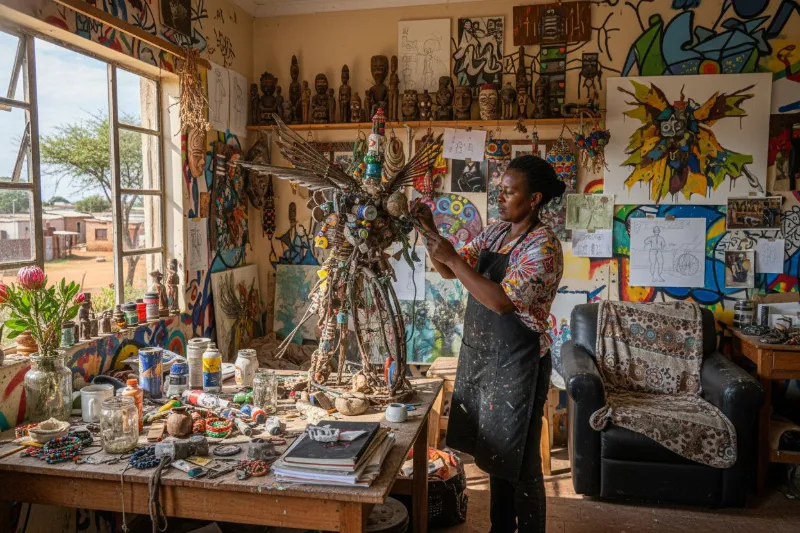
Indigenous art styles in South Africa emerge from deep cultural roots, with remarkable diversity across different ethnic groups. The San rock art provides a profound example of how indigenous communities documented their experiences and spiritual connections. These ancient paintings found in caves and rock shelters reveal intricate storytelling techniques that capture human interactions with natural environments.
Learn more about South African artistic heritage in our guide on collectors’ insights, which explores the nuanced evolution of artistic expression in the region. The Ndebele house painting tradition represents another significant artistic style, where geometric patterns and vibrant colors communicate cultural identity and social narratives.
Contemporary Artistic Convergence
Contemporary South African art styles represent a dynamic fusion of traditional techniques and modern global influences. Artists increasingly experiment with mixed media, challenging conventional boundaries between different artistic approaches. This evolution reflects the nation’s complex social history, where multiple cultural perspectives intersect and dialogue with one another.
The mixing of art styles in South African spaces requires an understanding of historical context and a sensitivity to cultural nuances. Artists and designers often incorporate elements from indigenous art, colonial-era techniques, and contemporary global aesthetics to create compelling visual narratives that speak to both local and international audiences.
Understanding how to mix art styles effectively involves recognizing the unique visual languages of different cultural traditions. This approach goes beyond mere aesthetic combination and represents a deeper engagement with South Africa’s rich and diverse artistic heritage. By appreciating the complexity of these artistic expressions, collectors and decorators can create spaces that tell meaningful stories and celebrate the nation’s creative spirit.
Key Principles for Mixing Art Styles Successfully
Mixing art styles successfully requires a nuanced understanding of design principles and visual harmony. Collectors and decorators must approach this creative process with intentionality, ensuring that different artistic elements complement rather than compete with one another.
To help readers navigate the essential design principles behind mixing art styles, the following table summarizes the three key principles discussed—along with their core strategies for successful integration in South African interiors.
Principle Core Strategies
Color & Composition Balance Use color theory, consistent palettes, and the color wheel for unity among diverse art styles
Proportion & Visual Harmony Balance visual weight and scale, create visual pathways, maintain breathing room
Conceptual & Thematic Integration Find common themes, narratives, or emotional resonance to link different artworks
Color and Composition Balance
Color plays a fundamental role in creating cohesive art style combinations. According to design principles from interior design research, understanding color theory is critical when integrating diverse artistic expressions. The color wheel becomes a strategic tool for identifying complementary and analogous color relationships that can help unify seemingly disparate art styles.
Professional designers recommend establishing a consistent color palette that acts as a visual thread connecting different artistic elements. This might involve selecting a neutral base tone and introducing accent colors that appear across various artworks, creating a sense of intentional design. Explore our curated collection of artists who masterfully blend color styles to understand how professional artists approach this technique.
Proportion and Visual Harmony
Proportional relationships between artworks are crucial when mixing different styles. Interior design principles emphasize the importance of balance through careful consideration of size, scale, and spatial arrangement. This means understanding how different art pieces interact within a given space and creating visual dialogue between them.
Successful art style mixing involves creating rhythmic interactions between artworks. This can be achieved by:
- Establishing visual weight: Balancing larger, bold pieces with more delicate artworks
- Creating visual pathways: Arranging art to guide the viewer’s eye across the space
- Maintaining breathing room: Ensuring each artwork has sufficient space to be appreciated individually
Conceptual and Thematic Integration
Beyond technical considerations, mixing art styles successfully requires a deeper understanding of conceptual connections. Look for underlying themes or emotional resonances that can link different artistic expressions. This might involve finding common narratives, shared cultural references, or complementary aesthetic approaches that create a meaningful conversation between diverse art styles.
The most compelling art collections are not merely decorative but tell a story. By carefully selecting pieces that share subtle conceptual threads, collectors can create spaces that feel both dynamic and harmonious. This approach transforms art arrangement from a purely aesthetic exercise into a narrative exploration of visual culture.
Ultimately, mixing art styles is an intuitive process that combines technical knowledge with creative vision. While design principles provide essential guidelines, the most successful compositions emerge from a genuine appreciation of artistic diversity and a willingness to experiment boldly yet thoughtfully.
Practical Tips for Creating a Cohesive Art Display
Creating a cohesive art display requires strategic planning and a nuanced understanding of visual composition. Collectors and decorators must approach art arrangement as a deliberate artistic expression that tells a compelling narrative through careful selection and placement.
Establishing a Unifying Theme
A successful art display begins with identifying a central theme that connects diverse artworks. According to mixed media art strategies, themes can emerge from personal experiences, cultural narratives, or emotional landscapes. This conceptual foundation transforms a random collection into a meaningful visual dialogue.
Consider exploring themes that resonate with South African artistic heritage. These might include representations of landscape, cultural identity, historical transformation, or natural diversity. By selecting pieces that speak to a shared narrative, you create an immersive experience that goes beyond mere decoration.
Discover unique thematic approaches in our collector’s guide to understand how professional curators develop cohesive art collections.
Gallery Wall Composition Techniques
Gallery wall design principles offer sophisticated strategies for creating visually compelling art displays. Professional designers recommend several key techniques:
- Varying Scale: Mix artwork sizes to create visual interest and dynamic tension
- Color Coordination: Use a consistent color palette to unify diverse artistic styles
- Strategic Spacing: Maintain consistent margins between artworks to create rhythm
- Asymmetrical Balance: Arrange pieces to create visual flow without rigid symmetry
The goal is to create a curated collection that feels intentional yet organically composed. Each piece should contribute to the overall narrative while maintaining its individual artistic integrity.
Technical Considerations for Art Arrangement
Technical precision is crucial when mixing different art styles. Consider the visual weight, texture, and emotional resonance of each piece. Artwork placement should create a sense of movement, guiding the viewer’s eye across the display with intentional choreography.
Height and eye-level placement are critical factors. Most art should be hung at average eye level (approximately 145-152 cm from the floor), allowing viewers to engage naturally with the pieces. For gallery walls, start with the central piece and build outward, maintaining a sense of balance and visual harmony.
Framing can also play a significant role in creating cohesion. While mixing frame styles can add visual complexity, selecting frames with complementary tones or materials can help unify diverse artworks. Consider metallic finishes, wooden frames in similar wood tones, or monochromatic frame collections to create a sophisticated, curated look.
Ultimately, creating a cohesive art display is an intuitive process that balances technical knowledge with creative vision. The most compelling displays reflect personal taste, cultural context, and a deep appreciation for artistic diversity. By approaching art arrangement as a form of storytelling, collectors can transform spaces into dynamic, meaningful environments that celebrate South African artistic heritage.
South African Trends and Examples for Inspiration
South African art spaces represent a dynamic canvas where diverse cultural narratives and artistic expressions converge, creating unique and inspiring environments that reflect the nation’s rich and complex heritage. The contemporary art scene demonstrates an extraordinary ability to blend traditional and modern styles with remarkable sophistication.
Contemporary Artistic Fusion
Contemporary South African artists are pioneering innovative approaches to mixed artistic styles, drawing from historical archives, traditional narratives, and global modernist influences. This approach transcends mere aesthetic combination, transforming spaces into profound storytelling platforms that honor cultural diversity.
The trend of mixing art styles in South African spaces goes beyond visual appeal. It represents a powerful mechanism for cultural dialogue, where different artistic traditions engage in a creative conversation. Artists carefully select and integrate elements that speak to collective experiences, creating layered and meaningful visual narratives.
Explore our curated guide to contemporary South African artistic trends to understand the nuanced approaches emerging in the current art landscape.
Indigenous and Modern Artistic Dialogue
One compelling trend involves integrating indigenous artistic traditions with contemporary design principles. Traditional Ndebele geometric patterns might be reimagined in modern graphic art, or San rock art motifs could inspire minimalist digital illustrations. This approach creates a visual language that honors historical artistic expressions while remaining relevant to contemporary aesthetic sensibilities.
Key characteristics of this trend include:
- Respectful Reinterpretation: Maintaining the integrity of traditional art forms
- Cultural Continuity: Ensuring historical artistic techniques remain vibrant
- Cross-Generational Appeal: Creating art that speaks to both traditional and modern audiences
Spatial Storytelling through Art
Successful art style mixing in South African spaces is fundamentally about storytelling. Each artwork becomes a narrative element, contributing to a broader visual conversation that reflects personal, cultural, and historical experiences. Collectors and decorators are increasingly viewing art not as isolated decorative pieces but as interconnected elements that communicate complex social and personal narratives.
This approach requires a deep understanding of context, symbolism, and emotional resonance. Successful displays blend pieces that might seem disparate at first glance but share underlying thematic connections. A contemporary abstract painting might be paired with a traditional beadwork piece, connected through color palette, emotional tone, or cultural significance.
The most compelling South African art displays challenge viewers’ expectations, creating spaces that are simultaneously familiar and surprising. By embracing artistic diversity and encouraging creative dialogue between different styles, these environments become more than mere decorative spaces—they transform into dynamic cultural expressions that celebrate the complexity of South African identity.
The following table highlights trending approaches and characteristics in mixing indigenous and modern art styles in contemporary South African spaces. This quick reference can help you identify which elements to consider when creating a culturally rich and visually dynamic environment.
Trend/Approach Key Characteristics
Contemporary Artistic Fusion Blends traditional, historical, and modern influences
Indigenous & Modern Dialogue Respectful reinterpretation, cultural continuity, cross-generational appeal
Spatial Storytelling through Art Narrative connections, emotional resonance, thematic pairing
Frequently Asked Questions
How can I effectively mix different art styles in my South African home?
Mixing art styles in South African spaces involves understanding balance, color composition, and thematic integration. Start by choosing a unifying theme that ties the pieces together and ensure a cohesive color palette to create harmony in your display.
What are the key principles for achieving visual harmony when mixing art styles?
The key principles include using color and composition balance, maintaining proportion and visual harmony, and integrating conceptual themes among the artworks. Creating visual pathways and ensuring each piece has breathing room are also crucial for effective arrangements.
How do I choose a unifying theme for my art collection?
To choose a unifying theme, consider personal experiences, cultural narratives, or emotional landscapes that resonate with South African artistic heritage. Selecting pieces that embody a shared narrative will enhance the cohesiveness of your art display.
What are some common mistakes to avoid when mixing art styles?
Common mistakes include overcrowding the space with too many artworks, neglecting color coordination, and failing to create visual balance. It’s essential to thoughtfully arrange your pieces and allow for clear sightlines and resting areas to appreciate each work individually.
Make Mixing Art Styles Simple with Trusted South African Art
Every South African home carries its own story, but finding the right balance when mixing indigenous heritage with bold contemporary styles can feel overwhelming. It is easy to struggle with colour harmony, theme integration, and the need to create a space that feels truly your own. Many feel unsure where to even begin or how to find art that speaks to both tradition and modern trends. Luckily, you do not have to navigate this challenge alone.
Experience how straightforward it can be. At Art Online, you gain access to South Africa’s largest collection of local art, curated for effortless mixing and narrative flow. Select works that align with your chosen theme, or get inspiration directly from our guide to renowned South African artists. Every piece is just a click away, making it easier than ever to tell your space’s unique story. Start designing a truly South African home with confidence—discover your next favourite piece now.
Recommended
- Famous South African Artists: 2025 Guide for Collectors & Decorators – Art-Online
- Public Art in South Africa: Inspiring Collectors and Decorators 2025 – Art-Online
- What Is Landscape Art? A South African Perspective for 2025 – Art-Online
- African Art Symbolism: Meaningful Decor for 2025 Homes – Art-Online