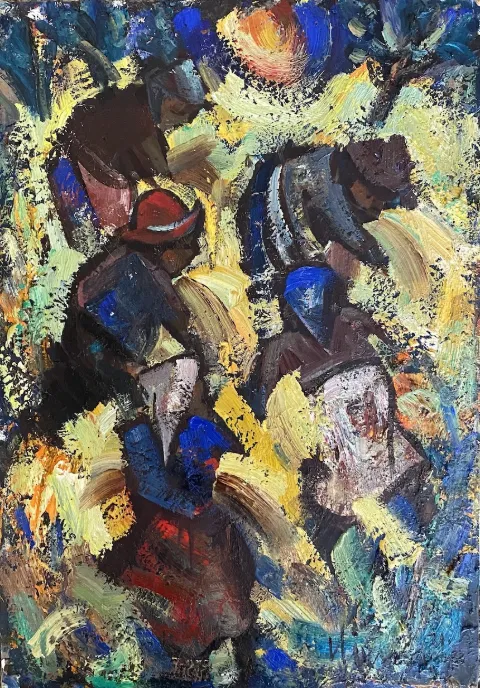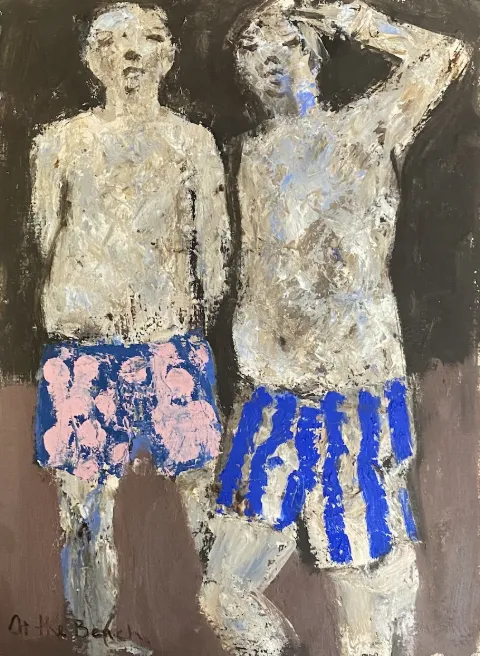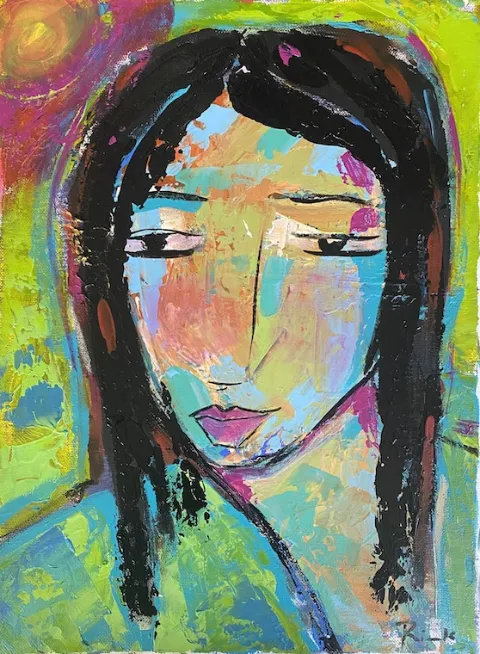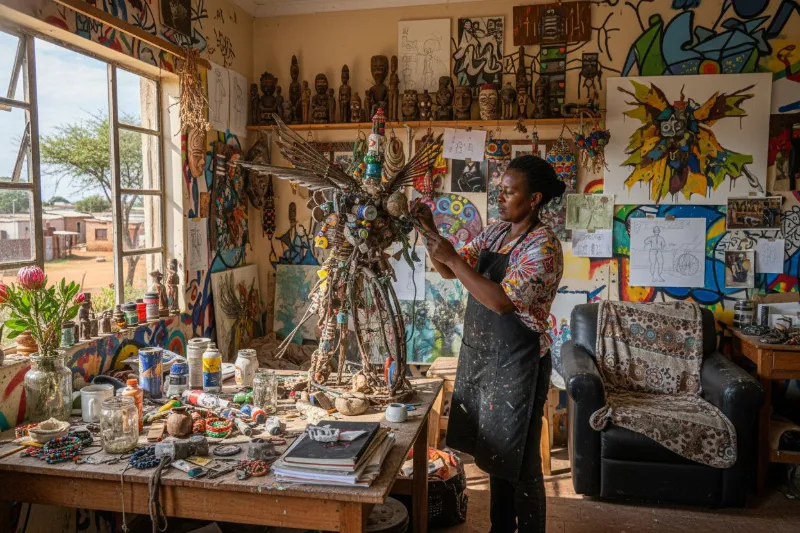


Framing artwork might seem like a simple finishing touch, but for South African art collectors it holds real weight. The right frame can actually protect your piece from humidity, harsh sun, and daily wear and tear. What’s wild is that museum-grade glass can block over 99 percent of harmful UV rays, which makes a massive difference if you want your art to last for decades. Most people pick a frame just for style, but missing out on these details can damage your investment before you even know it.
Table of Contents
- Choosing The Right Frame For Your Artwork
- Understanding Frame Materials And Their Impact
- Matching Frame Styles With Artwork Characteristics
- Conservation And Preservation Considerations
- Essential Tools And Materials Needed
- Basic Hand Tools For Framing
- Mounting And Preservation Materials
- Advanced Framing Equipment
- Step-By-Step Guide To Framing Artwork
- Preparation And Workspace Setup
- Mounting And Positioning Techniques
- Final Assembly And Preservation
- Tips For Displaying Framed Art In South African Homes
- Strategic Placement And Environmental Considerations
- Aesthetic Arrangement And Design Principles
- Preservation And Maintenance Techniques
Quick Summary
Takeaway Explanation
Choose frame materials carefully Frame materials impact both aesthetics and conservation; wood offers warmth while metal gives a modern look.
Match frame style with artwork Consider artwork characteristics and color when selecting frames to enhance the visual narrative without overwhelming it.
Use archival materials for preservation Always opt for acid-free mounting boards and UV-protective glass to prevent deterioration of valuable artworks.
Create a suitable workspace A clean, organized space with proper lighting helps prevent damage during the framing process, ensuring accurate measurements and cuts.
Strategically display artwork Consider environmental factors like light exposure and temperature when placing artwork to maintain its integrity long-term.
Choosing the Right Frame for Your Artwork
Framing artwork is more than just selecting a decorative border. It is a critical process that protects, enhances, and transforms the visual impact of your art piece. For South African art collectors, understanding the nuanced art of framing can significantly elevate the presentation and preservation of their cherished artworks.
Understanding Frame Materials and Their Impact
The choice of frame material plays a crucial role in both aesthetic appeal and artwork conservation. Wood remains the most traditional and versatile framing material, offering warmth and classic elegance. Hardwoods like oak and mahogany provide durability and a timeless look, while softer woods like pine offer a more rustic, contemporary feel.
Alternatively, metal frames present a modern, sleek option that works exceptionally well with contemporary art pieces. Aluminium and stainless steel frames are lightweight, resistant to corrosion, and can create a minimalist aesthetic that allows the artwork to take center stage.
Here’s a comparison table outlining the main characteristics, benefits, and considerations for using wood versus metal frames, helping collectors quickly assess which option best suits their artwork and preservation needs.
Frame Material Key Characteristics Benefits Considerations
Wood Traditional, versatile, warm, classic Offers warmth and elegance; durable with hardwoods Softer woods less durable; can warp in humidity
Metal Modern, sleek, minimalist Lightweight; corrosion-resistant; enhances contemporary art May not suit all art styles; colder look
According to the Smithsonian Magazine, professional conservators emphasize that frame selection is not merely about visual appeal but also about protecting the artwork from environmental factors such as humidity, light exposure, and potential physical damage.
Matching Frame Styles with Artwork Characteristics
Selecting the right frame involves more than personal preference. Each artwork has unique characteristics that demand thoughtful framing considerations. Landscape paintings might benefit from rustic wooden frames that echo natural textures, while abstract pieces could be complemented by sleek, minimalist metal frames.
Color coordination is another critical aspect. A frame should either complement or intentionally contrast with the artwork without overwhelming its visual narrative. Neutral tones like black, white, and natural wood often provide versatile options that work across different art styles.
For collectors interested in understanding more about different art presentation techniques, our comprehensive guide on canvas versus framed art offers deeper insights into various display options.
Conservation and Preservation Considerations
Beyond aesthetic choices, frames serve a critical protective function. Archival-quality framing involves using acid-free materials, UV-protective glass, and proper mounting techniques to prevent artwork degradation. Professional framers recommend using museum-grade glass that filters harmful ultraviolet rays, which can cause significant color fading and material breakdown over time.
For delicate or valuable pieces, consider consulting professional conservation experts who can provide specialized framing solutions tailored to specific artwork requirements. They can offer advice on mounting techniques, spacers, and protective backings that ensure long-term preservation.
While personal taste plays a significant role in frame selection, understanding these technical and aesthetic considerations will help South African art collectors make informed decisions that protect and showcase their artistic investments with sophistication and care.
Essential Tools and Materials Needed
Framing artwork requires precision, skill, and the right collection of tools and materials. For South African art collectors and enthusiasts, understanding the essential equipment can transform a simple framing project into a professional-level preservation effort.
Basic Hand Tools for Framing
Every art framing project begins with a core set of hand tools that enable accurate measurements, cutting, and assembly. A high-quality metal ruler or measuring tape is fundamental for ensuring precise dimensions. Professional framers recommend using a metal ruler with both metric and imperial measurements to accommodate various artwork sizes.
Below is a summary table listing essential hand tools and materials for framing artwork, with a brief description of each item’s role in the framing process.
Tool/Material Purpose/Description
Metal ruler/measuring tape Ensures precise measurements for framing components
Utility knife/cutting mat Provides clean, accurate cuts for mounting boards
Miter box & saw Creates perfect 45-degree frame corner cuts
Acid-free mounting board Prevents chemical degradation of artwork
Museum-grade glass/acrylic Provides UV protection and minimises reflection
Archival tape & corners Securely mounts artwork without damage
Professional point driver Secures backing board neatly in the frame
Precision cutting tools are equally critical. A sharp utility knife with replaceable blades allows clean cuts through mounting board and backing materials. Alongside this, a quality cutting mat protects work surfaces and provides grid lines for accurate measurements. Specialty framing scissors with fine, sharp edges help trim delicate materials like mounting paper and protective backing.
Another indispensable tool is a professional-grade miter box and saw. These tools enable perfect 45-degree angle cuts for frame corners, ensuring seamless and professional-looking frame construction. Precision in these cuts determines the overall aesthetic and structural integrity of the frame.
Mounting and Preservation Materials
The materials used in framing are as important as the tools. Acid-free mounting boards prevent chemical degradation of artwork over time. Conservation-grade mat boards come in various colors and textures, allowing collectors to enhance artwork presentation while protecting its long-term preservation.
Glazing materials represent another crucial component. Museum-grade glass or acrylic sheets offer UV protection and minimize reflections. Explore our detailed guide on art material essentials to understand the nuanced world of conservation materials.
Archival tape, specialized mounting corners, and neutral pH adhesives complete the essential materials list. These components ensure artwork remains securely mounted without risking damage through traditional adhesive methods.
Advanced Framing Equipment
For serious collectors and professional framers, some advanced equipment can elevate framing techniques. A pneumatic point driver simplifies attaching backing boards, while a professional point and offset cutter provides clean, precise edges. Digital calipers offer micron-level measurements for extremely detailed framing projects.
A professional framing workbench with integrated measuring guides and secure clamping mechanisms can transform home framing efforts. Such workbenches provide stable surfaces for complex framing tasks and help maintain consistent quality across multiple projects.
While professional-grade equipment can be expensive, investing in quality tools pays dividends in artwork preservation and presentation. South African art collectors should view these tools as long-term investments in protecting their valuable art collections.
Remember that proper tool maintenance is as crucial as the tools themselves. Regular cleaning, blade replacement, and careful storage ensure your framing equipment remains precise and effective for years of artistic preservation and presentation.
Step-by-Step Guide to Framing Artwork
Framing artwork requires precision, patience, and a methodical approach. For South African art collectors, understanding the detailed process of framing can transform an ordinary piece into a professionally presented artwork that preserves its beauty and value for years to come.
Preparation and Workspace Setup
Before beginning the framing process, create a clean, dust-free workspace with ample lighting and a stable surface. According to the Smithsonian Museum Conservation Institute, proper handling is crucial to prevent damage. Always work with clean hands or wear cotton gloves to protect delicate artwork from oils and potential contamination.
Gather all necessary tools and materials before starting. This includes your chosen frame, mounting board, mat board, glazing material, measuring tools, cutting implements, and archival tape. Organization is key to a smooth framing process. Lay out your materials systematically, ensuring everything is within easy reach.
Measure your artwork precisely, allowing for slight margins in the mounting and framing process. Use a metal ruler or digital caliper to obtain accurate measurements. Double-check all measurements before making any cuts to prevent costly mistakes.
Mounting and Positioning Techniques
Mounting artwork requires careful consideration and archival-grade materials. Begin by selecting an acid-free mounting board that provides stable support for your piece. For more insights on selecting quality art materials, explore our comprehensive guide on art essentials.
Create a preservation-friendly mounting approach using archival corners or neutral pH adhesives. These methods ensure the artwork remains secure without risking permanent damage. Avoid using standard adhesives that might contain acids or chemicals that could degrade the artwork over time.
Position the artwork carefully within the frame, ensuring it is centered and aligned correctly. Use spacers if needed to create depth and prevent the artwork from directly touching the glazing material. This additional space helps protect the artwork from potential moisture and prevents potential damage from direct contact.
Final Assembly and Preservation
Assemble the frame with precision, ensuring all corners are perfectly aligned and secure. Use a point driver or framing points to attach the backing board, taking care not to apply excessive pressure that might damage the artwork. Seal the back of the frame with protective paper to prevent dust and potential pest intrusion.
Choose museum-grade glass or acrylic with UV protection to minimize light damage. These specialized glazing materials filter harmful ultraviolet rays that can cause color fading and material degradation over time.
Once framed, handle the artwork with extreme care. Store framed pieces away from direct sunlight, extreme temperatures, and high humidity areas. Consider professional installation for valuable or delicate pieces to ensure optimal preservation.
Remember that framing is both an art and a science. Each step requires careful attention to detail, patience, and a commitment to preserving the artistic integrity of the piece. South African art collectors who master these techniques will not only protect their investments but also enhance the visual presentation of their cherished artworks.
Tips for Displaying Framed Art in South African Homes
Displaying framed artwork in South African homes requires a thoughtful approach that balances aesthetic appeal, preservation, and the unique architectural characteristics of local interiors. Understanding the nuanced art of art placement can transform living spaces and protect valuable art investments.
Strategic Placement and Environmental Considerations
Art placement demands careful consideration of environmental factors. According to the Smithsonian Institution’s Museum Conservation Institute, hanging paintings requires strategic thinking about temperature, humidity, and light exposure. The University of Southern Indiana recommends maintaining a consistent temperature around 72 degrees Fahrenheit and relative humidity between 45-55% to preserve artwork integrity.
Avoid hanging artwork in areas prone to extreme temperature fluctuations. The Florida Department of State specifically warns against placing framed pieces over fireplaces or against outside walls, where heat and moisture can cause significant damage. South African homes with large windows or areas experiencing intense sunlight should use UV-protective glazing and consider indirect lighting to minimize potential artwork degradation.
For collectors interested in understanding more about art display techniques, our comprehensive guide on canvas versus framed art offers additional insights into presentation strategies.
Aesthetic Arrangement and Design Principles
Creating visually compelling art displays involves more than simply hanging pieces on walls. Consider the architectural style of your home, furniture placement, and existing color schemes. In traditional South African homes with Cape Dutch or modern minimalist designs, art can serve as a focal point or complement the existing interior aesthetic.
Experiment with gallery walls by combining different frame sizes and styles, creating visual interest through careful composition. Maintain consistent spacing between frames, typically 5-10 centimeters, to create a cohesive look. Mix artworks of varying sizes and orientations to add dynamic visual texture to your walls.
Consider the height of artwork installation. Generally, the center of the artwork should be positioned at eye level, approximately 145-150 centimeters from the floor. This guideline ensures comfortable viewing and creates a balanced visual experience in living spaces.
Preservation and Maintenance Techniques
Regular maintenance is crucial for preserving framed artwork in South African homes. Dust frames and glass surfaces gently using soft, lint-free cloths. Avoid using water or cleaning solutions directly on artwork or frames, as moisture can cause irreparable damage.
Rotate artwork periodically to prevent prolonged exposure to direct sunlight and maintain even aging. This practice not only preserves the artwork but also allows you to refresh your interior design and appreciate different pieces in your collection.
For valuable or delicate pieces, consider professional installation and periodic conservation assessments. Professional art conservators can provide tailored advice for maintaining artwork in South Africa’s diverse climate zones, from coastal regions to inland areas with varying humidity levels.
Remember that displaying artwork is an ongoing process of care, appreciation, and preservation. By understanding environmental factors, design principles, and maintenance techniques, South African art collectors can create stunning interior spaces that showcase their artistic investments while ensuring long-term preservation.
Frequently Asked Questions
What frame materials are best for protecting artwork?
Wood and metal are both popular choices. Wood provides warmth and elegance, while metal offers a modern, minimalist aesthetic. Choose acid-free materials to better preserve your artwork.
How do I match frames to my artwork’s style?
Consider the characteristics of your artwork when selecting a frame. Rustic wooden frames may enhance landscape paintings, while contemporary art often looks best in sleek metal frames. Aim for color coordination that complements or intentionally contrasts the artwork.
What are the benefits of using museum-grade glass for framing?
Museum-grade glass offers UV protection, blocking over 99% of harmful rays that can cause color fading and material degradation. This type of glass helps ensure that your artwork lasts for many years while looking vibrant.
How can I preserve my framed artwork in a home environment?
Hang artwork in a stable environment away from direct sunlight, high humidity, and extreme temperature fluctuations. Regularly dust the frames with a soft cloth and consider rotating artwork to prevent prolonged exposure to light.
Elevate Your Art Framing with Expertly Curated South African Masterpieces
Have you carefully framed your collection only to worry that poor material choice or incorrect mounting could still threaten your art’s longevity? The right frame is vital but so is investing in true quality from the start. As discussed in this guide, fading, damage and display mistakes can undermine your cherished pieces. Imagine protecting and showcasing your investment with art that already meets the highest standards of presentation and conservation.
Take the next step as a South African art collector and discover curated artworks from the country’s most recognised artists on Art Online. Our selection is made with long-term display in mind, using only premium materials and expert finishing. Ready to fill your home with art that stands the test of time? Visit Art Online to transform your collection and explore more advice on materials and preservation in our art material essentials guide.
Recommended
- Canvas vs Framed Art: Guide for South African Collectors 2025 – Art-Online
- Famous South African Artists: 2025 Guide for Collectors & Decorators – Art-Online
- Black Artists in South Africa: Top Trends and Collectors’ Guide 2025 – Art-Online
- Buying Art for Investment in South Africa: 2025 Guide – Art-Online