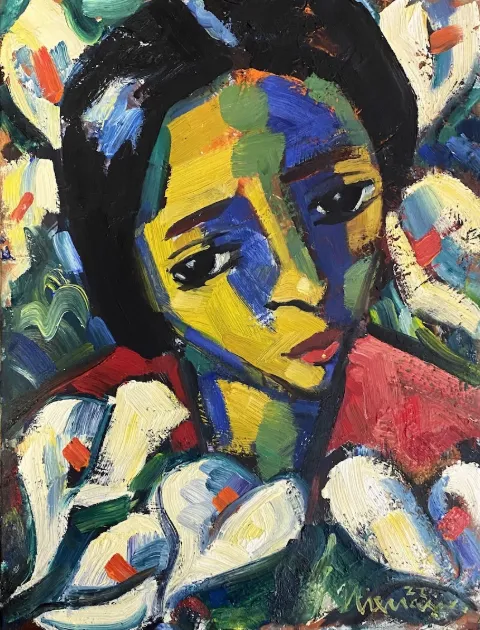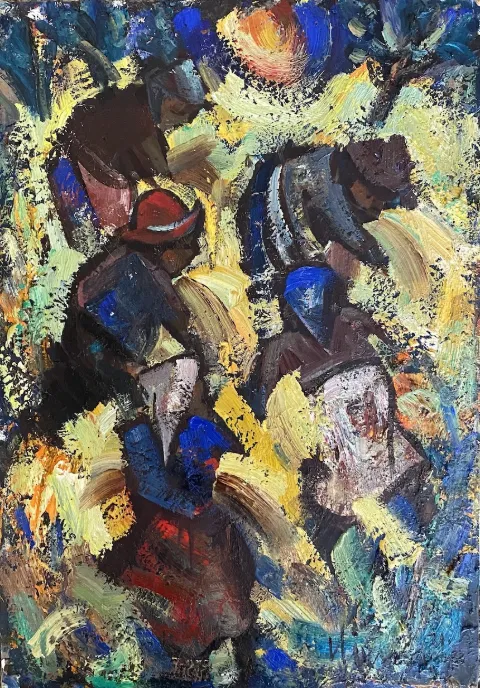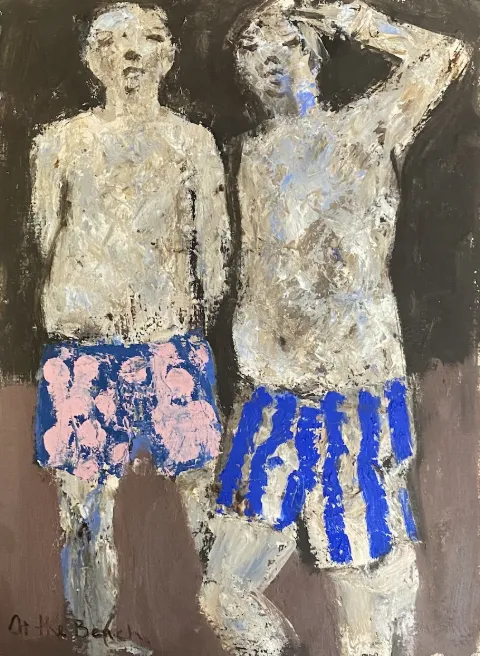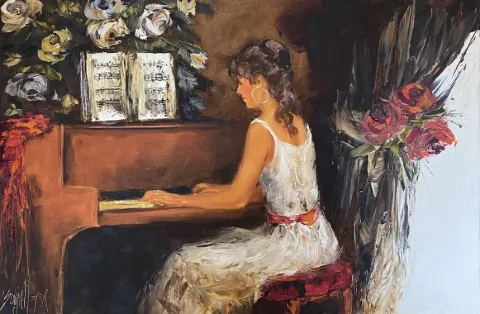

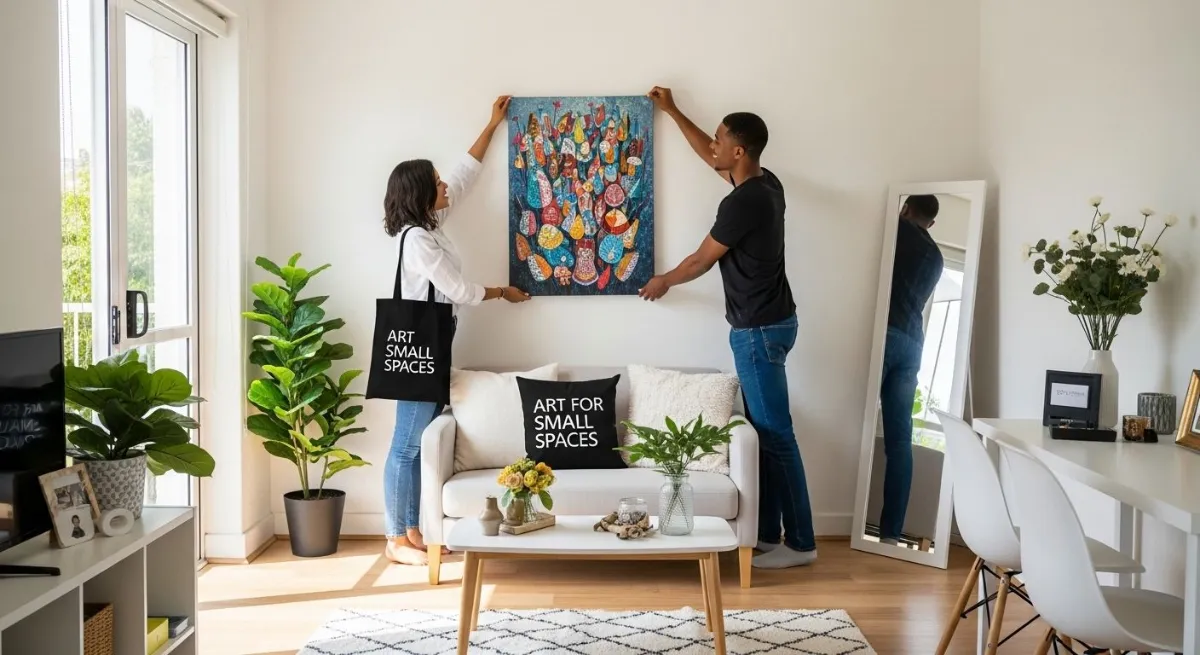
Small homes in South Africa are filling up with art, yet corners and walls often feel too snug for anything bold. Most people think limiting yourself to tiny prints is the only solution, but that just makes rooms look even smaller. The real magic happens when you choose vertical pieces or reflective artworks, because vertical artworks can draw the eye upward and make even the most compact room feel noticeably taller and more open. So, picking the right piece does more than just decorate – it transforms the whole mood of your home.
Table of Contents
- Choosing The Right Art For Compact Rooms
- Scale And Proportion: The Key To Visual Balance
- Color Palette And Visual Weight
- Strategic Placement And Arrangement
- Smart Placement Techniques For Small Spaces
- Vertical Space Optimization
- Natural Elements And Restorative Design
- Layering And Depth Techniques
- Framing, Display, And Preservation Tips
- Choosing The Right Frame
- Preservation And Protection Strategies
- Innovative Display Techniques
- Local South African Artists To Consider
- Contemporary Mixed Media Artists
- Narrative And Social Commentary Artists
- Emerging Talent And Diverse Perspectives
Quick Summary
Takeaway Explanation
Choose art based on scale and proportion Select pieces that create visual interest without overwhelming limited spaces; tall artworks enhance perceived height.
Utilize lighter color palettes Light and soft colors make small rooms feel more open and airy, while dark tones can feel constricting.
Optimize vertical space for display Hanging art higher can draw the eye upwards, creating an illusion of more space and height in compact rooms.
Use slim, minimalist frames The right frame complements artwork and your room’s aesthetic while maintaining visual cohesion and not overwhelming the space.
Explore local South African artists Support local talent by selecting pieces that resonate personally and offer narrative depth suitable for compact areas.
Choosing the Right Art for Compact Rooms
Compact rooms present unique challenges when selecting artwork, requiring strategic approaches that maximize visual impact while maintaining spatial harmony. The goal is not just decorating but creating an environment that feels expansive and personally meaningful. According to research published in PubMed Central, visual art can significantly influence perceived room dimensions and emotional well-being in smaller spaces.
Scale and Proportion: The Key to Visual Balance
Selecting art for small rooms demands careful consideration of scale. Oversized pieces can overwhelm limited spaces, while miniature artworks might appear insignificant. The sweet spot lies in finding pieces that create visual interest without dominating the room. Vertical artworks can draw the eye upward, creating an illusion of height and making compact rooms feel more spacious. Consider tall, narrow paintings or elongated photographic prints that guide the viewer’s gaze vertically.
Mirror-based art installations offer another clever strategy. By incorporating reflective surfaces, you can create depth and amplify the sense of space. A strategically placed artwork with reflective elements can make a compact room feel twice its actual size, bouncing light and creating visual intrigue.
Color Palette and Visual Weight
Color selection plays a critical role in art for small spaces. Lighter tones and soft, muted color palettes can make rooms feel more open and airy. Pastel landscapes, minimalist abstracts with white or neutral backgrounds, and soft watercolor pieces work exceptionally well. Avoid dark, heavy color schemes that can make a compact room feel more confined.
Monochromatic art collections offer another sophisticated approach. By selecting artworks within a single color family but with varying tones and textures, you create visual cohesion without overwhelming the space. This technique allows individual pieces to complement each other while maintaining a sense of visual lightness.
Strategic Placement and Arrangement
Where you place art is just as important as what art you choose. Gallery walls can work in compact rooms if executed thoughtfully. Instead of cluttering walls with numerous small pieces, opt for a curated selection with consistent framing or a unified theme. Floating shelves can be an excellent alternative, allowing you to rotate artworks and create dynamic displays without permanent wall commitments.
Consider unconventional placement options like positioning art above doorways, on narrow wall sections, or creating visual continuity between furniture and artwork. Read our guide on innovative art display techniques for more inspiration on maximizing your compact space’s artistic potential.
Remember that art in small spaces is about creating visual dialogue and personal expression. Each piece should not just decorate but tell a story, reflect your personality, and contribute to the room’s overall aesthetic harmony. By understanding scale, color, and strategic placement, you can transform even the most compact room into a visually stunning and emotionally resonant space.
Smart Placement Techniques for Small Spaces
Transforming compact spaces into visually dynamic and functional environments requires strategic art placement and thoughtful design approaches. According to design research from the National Association of Interior and Industrial Design, creating an illusion of openness involves more than just selecting the right artwork—it demands intelligent spatial strategies that maximize perceived room dimensions.
Vertical Space Optimization
Vertical space represents an often underutilized canvas in compact rooms. By drawing the eye upward, you can create a sense of height and expansiveness. Consider mounting artwork higher on walls or creating vertical gallery arrangements that elongate the room’s visual perspective. Tall, narrow pieces work exceptionally well in these scenarios, guiding the viewer’s gaze skyward and making ceilings appear higher.
Mirrors strategically placed near artworks can amplify this effect. A carefully positioned mirror reflecting a piece of art can double the visual depth, creating an illusion of additional space. Select mirrors with slim frames or no frames at all to maintain a clean, uncluttered aesthetic.
Natural Elements and Restorative Design
Research published in environmental psychology journals highlights the importance of incorporating natural elements into small spaces. Artwork featuring landscapes, botanical illustrations, or nature-inspired abstracts can introduce a sense of tranquility and perceived openness. These pieces not only decorate walls but also create psychological breathing room.
Choose artworks with soft, muted color palettes that echo natural environments. Watercolor landscapes, minimalist botanical prints, or abstract pieces with organic textures can transform a compact space into a serene retreat. The key is selecting pieces that evoke a sense of expansiveness through their subject matter and color composition.
Layering and Depth Techniques
Art placement is not just about hanging pieces on walls. Consider creating depth through layered arrangements. Lean smaller artworks against walls on floating shelves, allowing them to partially overlap. This technique adds visual interest and creates a sense of intentional design rather than crowded decoration.
Multi-panel artworks or triptychs offer another sophisticated approach to small space art placement. These connected pieces can create a cohesive visual narrative while appearing less visually heavy than a single large artwork. Select panels with complementary colors and themes to maintain a harmonious look.
Explore our comprehensive guide to innovative art display techniques for more insights into maximizing artistic potential in compact spaces. Remember that successful art placement in small rooms is about creating visual breathing room, telling a story, and reflecting personal style without overwhelming the environment.
Ultimately, smart placement is an art form itself. It requires a delicate balance between aesthetic expression and spatial awareness, transforming limitations into opportunities for creative design.
Here is a summary table comparing different art display and placement techniques specifically suited for small spaces, as discussed in this article.
Technique Description Key Benefit
Vertical Artwork Tall, narrow paintings or prints to guide the viewer’s gaze upward Makes ceiling feel higher
Mirror-Based Art Installations Reflective surfaces positioned alongside art Creates depth, amplifies perceived space
Light, Monochromatic Collections Group of artworks in similar colour palette with varying tones Provides cohesion and visual lightness
Floating Shelves & Layered Displays Art leaned or layered on shelves, partially overlapping Adds depth without permanent changes
Multi-Panel (Triptychs) Arrangements Connected artworks spread horizontally or vertically Visual interest, less bulk per piece
Artwork Above Doorways Unconventional placement above or between structural features Utilises neglected wall space
Minimalist/Slim Framing Use of understated, slim frames for all displayed artwork Prevents visual clutter, adds cohesion
Framing, Display, and Preservation Tips
Preserving and presenting art in small spaces requires a nuanced approach that balances aesthetic considerations with conservation principles. The right framing and display techniques can transform artwork from mere decoration to a cherished, long-lasting element of your interior design. According to preservation guidelines from the Smithsonian Institution, protecting artwork involves more than just visual appeal—it requires strategic preservation techniques.
Choosing the Right Frame
Framing is a critical decision that impacts both the artwork’s appearance and longevity. In compact spaces, frame selection becomes even more crucial. Slim, minimalist frames work exceptionally well, creating visual continuity without overwhelming limited wall space. Consider frames that complement your room’s color palette and overall design aesthetic.
Material selection matters significantly. Lightweight materials like aluminum or thin wooden frames provide structure without adding visual bulk. For delicate or valuable pieces, archival-quality frames with acid-free backing prevent degradation over time. Floating frames offer a modern alternative, creating an illusion of artwork suspended in space and adding depth to compact rooms.
Preservation and Protection Strategies
Protecting artwork from environmental damage is paramount. UV-filtering glass can prevent color fading, while maintaining the artwork’s visual clarity.
Climate control plays a critical role—avoid hanging art in areas with direct sunlight, high humidity, or significant temperature fluctuations. Consider using museum-grade conservation techniques even in home settings.
For paper-based artworks, professional matting provides an additional layer of protection. Archival-quality mats create a buffer between the artwork and frame, preventing moisture damage and preserving the piece’s integrity. Digital prints and contemporary artworks might require specialized preservation approaches, so consulting with art conservation experts can provide tailored guidance.
Innovative Display Techniques
Display goes beyond traditional wall hanging in compact spaces. Rotating artwork periodically prevents visual fatigue and allows you to showcase different pieces throughout the year. Floating shelves offer flexibility, enabling easy artwork rotation without permanent wall commitments. Consider creating small vignettes by layering artworks of varying sizes, creating visual interest without cluttering limited space.
Acrylic display stands can elevate smaller pieces, turning them into three-dimensional displays that add depth to shelves or side tables. Our comprehensive guide to canvas and framed art provides additional insights into creative display methods for art collectors working with limited space.
Remember that preservation is an ongoing process. Regular, gentle cleaning with appropriate tools, avoiding direct handling, and maintaining stable environmental conditions will ensure your artwork remains vibrant and intact for years to come. In small spaces, each art piece becomes a focal point—treating it with care and consideration transforms it from a mere decorative element to a treasured component of your personal aesthetic narrative.
Local South African Artists to Consider
South African artists offer a rich tapestry of visual storytelling that can transform compact spaces into vibrant galleries of personal expression. Explore our comprehensive guide to famous South African artists to discover the depth and diversity of local artistic talent that can perfectly complement small interior spaces.
Contemporary Mixed Media Artists
Mixed media artists provide exceptional opportunities for art collectors working with limited space. Marlise Keith, a remarkable South African artist, creates intricate works that blend ink, pencil, and acrylics into surreal, dream-like compositions. Her pieces often feature compact yet intense visual narratives that can transform even the smallest wall into a captivating focal point.
Sanell Aggenbach represents another extraordinary talent in the South African art scene. Her work seamlessly integrates painting, printmaking, and sculptural elements, offering versatile artworks that can adapt to various spatial constraints. Aggenbach’s ability to blend historical narratives with personal storytelling makes her pieces particularly compelling for intimate spaces.
Narrative and Social Commentary Artists
Artists who incorporate powerful social narratives can add significant depth to compact spaces. Mary Sibande stands out as a provocative visual storyteller. Her iconic character ‘Sophie’ challenges stereotypical representations and offers thought-provoking pieces that can serve as conversation starters in small rooms. Sibande’s work demonstrates how art can transcend physical dimensions, creating emotional and intellectual expansiveness within limited square meters.
Another notable artist to consider is Willie Bester, known for his politically charged mixed media works. Bester’s art frequently incorporates found materials, creating textured pieces that can add complexity and visual interest to compact spaces. His ability to transform ordinary materials into extraordinary statements makes his artwork particularly suitable for small rooms seeking powerful artistic statements.
Emerging Talent and Diverse Perspectives
The contemporary South African art scene brims with emerging talents offering fresh perspectives. Black artists in South Africa are creating groundbreaking works that challenge traditional artistic boundaries. Artists like Turiya Magadlela, who works with unconventional materials like pantyhose and domestic textiles, demonstrate how innovative techniques can create compelling art perfect for smaller spaces.
When selecting artwork for compact rooms, consider pieces that offer visual complexity without overwhelming the space. Look for artists who work with nuanced color palettes, intricate details, and conceptual depth. South African artists excel at creating works that are simultaneously intimate and expansive, making them ideal for collectors working with limited square footage.
Remember that art selection is a personal journey. Each piece should resonate with your individual aesthetic and tell a story that extends beyond its physical dimensions.
The following table summarises the local South African artists highlighted in this article, alongside their characteristic styles and suitability for small spaces.
Artist Name Artistic Focus / Style Why Suitable for Small Spaces
Marlise Keith Intricate mixed media: ink, pencil, acrylics; surreal and dream-like Visually intense, compact compositions
Sanell Aggenbach Mixed media: painting, printmaking, sculptural elements; narrative blends Versatile, adapts to different spatial needs
Mary Sibande Powerful social storytelling; sculptural installations and figurative art Provocative, bold narrative for compact rooms
Willie Bester Politically charged mixed media using found materials Textural impact, strong visual statements
Turiya Magadlela Unconventional materials: pantyhose, textiles; minimalist abstraction Fresh perspectives, subtle spatial presence
By carefully curating works from local South African artists, you can transform small spaces into dynamic, meaningful environments that celebrate creativity and cultural richness.
Frequently Asked Questions
How can I choose the right art for small spaces?
To select art for small spaces, focus on scale and proportion by opting for vertical pieces that draw the eye upward, which creates an illusion of height. Lighter color palettes and works with less visual weight also help a compact room feel more open and inviting.
What are some effective placement strategies for artwork in small rooms?
Consider hanging artworks higher to optimize vertical space. Group smaller pieces into a cohesive gallery wall instead of cluttering with many small works. Utilizing floating shelves allows for easy rotation and layering of art, which enhances visual interest without permanent wall changes.
Why is color selection important when displaying art in small spaces?
Color selection is crucial as lighter tones and soft colors make rooms appear more open and spacious, while dark colors can create a constricting feeling. Monochromatic artworks can provide visual cohesion and contribute to a sense of lightness in the overall decor.
What are the benefits of using local South African artists’ works in compact spaces?
Supporting local South African artists can add unique narrative depth and cultural significance to your home. Many South African artists create pieces that are visually impactful yet suitable for smaller environments, allowing for rich storytelling without overwhelming the space.
Elevate Your Small Space with Artwork that Inspires
Struggling to find the right art for your compact home? You are not alone. Many South Africans face the frustration of blank walls or overcrowded décor. Choosing art for a small space is more than just decoration. It is about creating a sense of openness, using vertical artworks and light palettes to add proportion and personality without feeling cramped. If you want to break free from the limitations that make your room feel smaller, discover how carefully chosen art can transform your space into a refreshing retreat.
Browse South Africa’s largest online art gallery today at Art Online. Find unique pieces from renowned local artists or get inspired by new trends and expert tips in our guide to canvas and framed art. Make your small space a haven—choose the right art now and feel the change immediately.